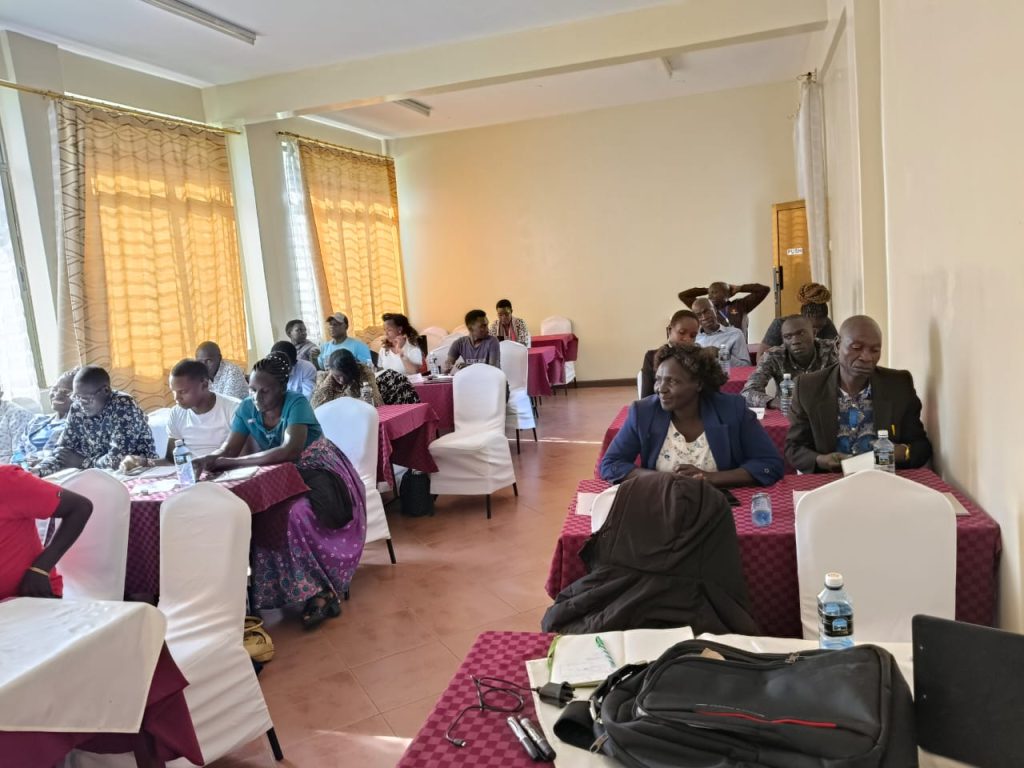
The Lower Eastern Women Cooperative Union, in collaboration with the Machakos Cooperative Union, is thrilled to announce its participation in the Food System Initiatives Training organized by the National Coffee Cooperative Union (NACCU) and the Finnish Fund for Development (FFD). This crucial training, taking place from October 14th to 16th, 2024, aims to equip farmers with skills in sustainable agriculture, offering new income opportunities beyond coffee farming.
Empowering Women Farmers Through Diversification
For many years, coffee has been a vital part of the livelihoods of our members, but it remains a seasonal crop. As part of our commitment to improving the economic stability of women farmers, this training presents an exciting opportunity to introduce new farming practices that provide year-round income. By diversifying into different agricultural activities, women farmers can reduce their dependence on coffee, increasing both their resilience and economic empowerment.
The training will cover five key areas of farming diversification:
- Poultry Farming – A growing sector in Kenya, poultry farming provides continuous income through egg and meat production. This training will equip farmers with modern techniques in managing poultry, improving productivity, and maintaining animal health.
- Fish Farming – With fish as a high-demand protein source, participants will learn the essentials of setting up and maintaining fish ponds, breeding, and managing fish stocks to ensure sustainable yields.
- Beekeeping – Honey and other bee products offer excellent business potential. The training will explore advanced techniques for beekeeping that can increase honey production and ensure sustainable apiary management.
- Mushroom Farming – As a profitable and easy-to-cultivate crop, mushroom farming will be introduced to provide farmers with skills in cultivation, harvesting, and accessing markets for this high-value product.
- Traditional Food Crops – In line with efforts to promote food security and sustainability, the training will also cover traditional crops such as millet, sorghum, and cassava. These crops are more resilient to climate change and can provide stable food sources, contributing to the economic well-being of farmers.
Adding Value to Agricultural Products
A major focus of the training is teaching farmers how to add value to their agricultural products. This involves processing and packaging crops for local and international markets, which not only increases profitability but also enhances the quality of the products. By understanding how to better market and brand their produce, women farmers can command higher prices and penetrate new markets, leading to greater economic empowerment.
Importance to the Union and the Broader Cooperative Movement
The Food System Initiatives Training is especially significant for the Lower Eastern Women Cooperative Union. By encouraging women to diversify their farming practices, the union aims to foster resilience among farming communities in the face of fluctuating coffee prices, climate change, and economic uncertainty. Diversification will not only create new revenue streams but also enhance food security in the region.
This training is aligned with the union’s broader mission of empowering women farmers to become leaders in their communities. Women in rural areas often bear the responsibility of managing household food supplies and incomes. By acquiring new skills in sustainable farming, these women can uplift their families, improve their economic independence, and contribute to the development of their local economies.
Moreover, the insights gained from this training will be shared across the union, with participants taking on leadership roles in guiding others on how to diversify and improve their farming methods. This knowledge-sharing will amplify the impact of the training and drive long-term growth within the cooperative.
A Sustainable Future for Women Farmers
The Food System Initiatives Training is an invaluable step toward ensuring the long-term success and sustainability of women farmers in the Lower Eastern region. By diversifying agricultural activities, the union can help its members build resilience against the economic challenges posed by single-crop farming.
This training offers a pathway for women farmers to become more self-reliant, boost their income, and create sustainable livelihoods. The Lower Eastern Women Cooperative Union is committed to supporting its members in embracing these opportunities and believes that this initiative will be a catalyst for positive change within the cooperative and the wider community.
#EmpoweringWomenFarmers
#SustainableFarming
#FoodSystemInitiatives
#LowerEasternWomenCooperative