LOWER EASTERN WOMEN COOPERATIVE UNION

Why LEWOCO Stands Out: Expertise, Excellence, and Growth

Blog

Blog

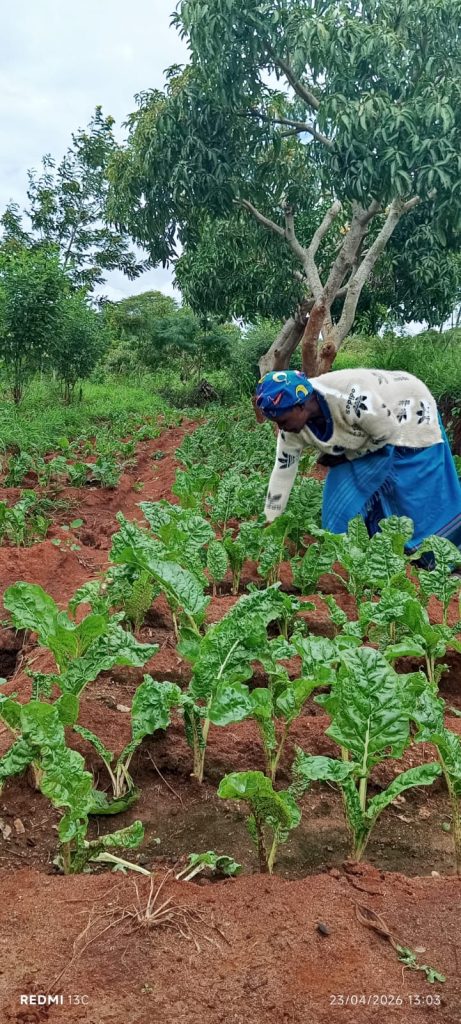
Promoting Food, Nutrition and Sustainability at Alice Muteti’s Farm

LEWOCO continues to promote sustainable agriculture, food security, and improved nutrition among farming communities through farmer-led learning and sensitization initiatives.

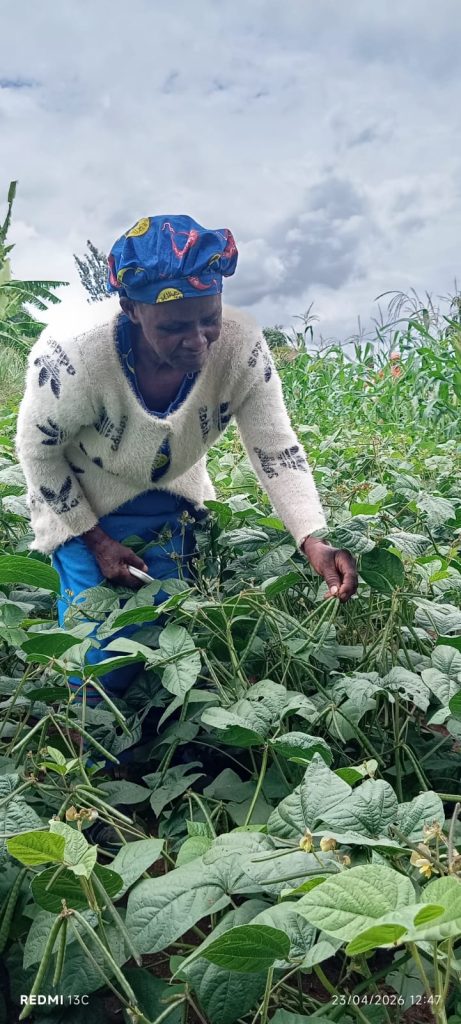
At Alice Muteti’s farm, farmers and community members are being encouraged to embrace agricultural practices that support both healthy diets and environmental sustainability. The farm provides a practical platform for demonstrating how households can diversify food production while making responsible use of available resources.

The initiative emphasizes the importance of growing and consuming a variety of nutritious foods, including vegetables, legumes, fruits, and other locally available farm products. Diversification helps households improve food and nutrition security while reducing reliance on a single crop or source of income.

Beyond nutrition, the initiative promotes sustainable farming practices that help farmers protect their soil, conserve natural resources, and build resilience to changing climatic conditions. By combining food production with sustainable land management, farmers can contribute to healthier households and more resilient communities.

Through farmer-to-farmer learning and practical demonstrations, LEWOCO continues to create awareness around the connection between agriculture, nutrition, environmental conservation, and sustainable livelihoods.

Alice Muteti’s farm is a reflection of how individual farmers can become centres of knowledge and inspiration within their communities. LEWOCO remains committed to supporting farmers with knowledge and skills that can help create healthier families, productive farms, and sustainable communities.
LEWOCO Strengthens Community Savings Through Training of VSLA Champions

The Lower Eastern Women Cooperative Union (LEWOCO) has successfully concluded a Capacity Building Workshop for Training of Trainers (ToT) VSLA Champions, marking another significant milestone in strengthening community-led financial inclusion and cooperative development.

The workshop focused on deepening participants' understanding of the Village Savings and Loan Association (VSLA) concept while equipping the champions with practical facilitation skills to effectively train and mentor new groups within their communities. Through interactive learning sessions, participants enhanced their knowledge of VSLA methodologies, group governance, record keeping, leadership, financial management, and effective facilitation techniques.

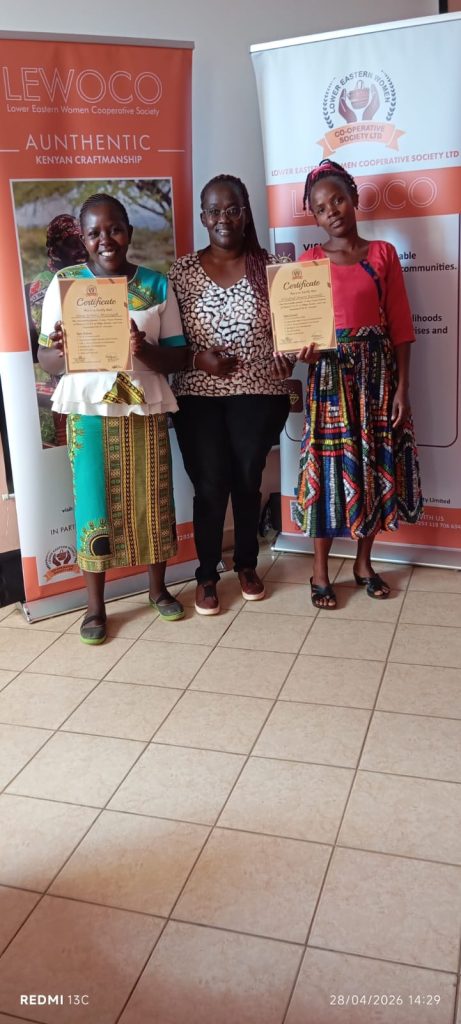
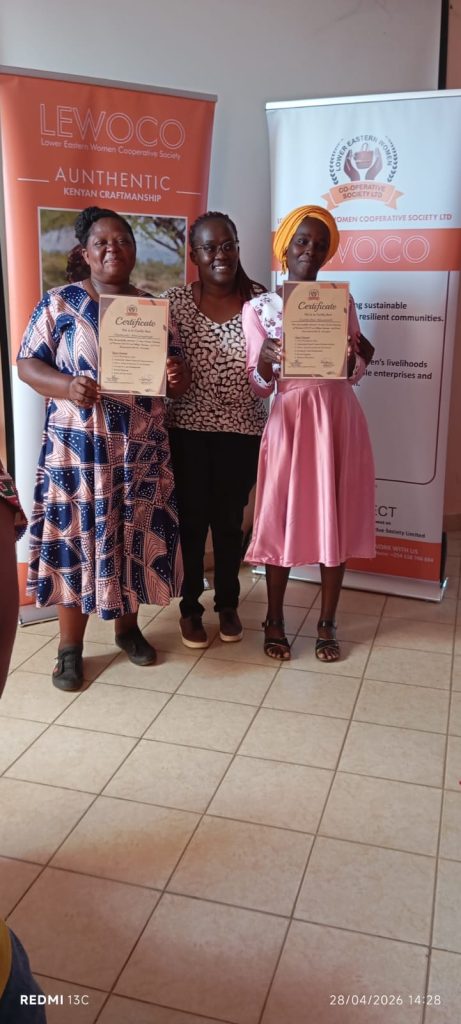
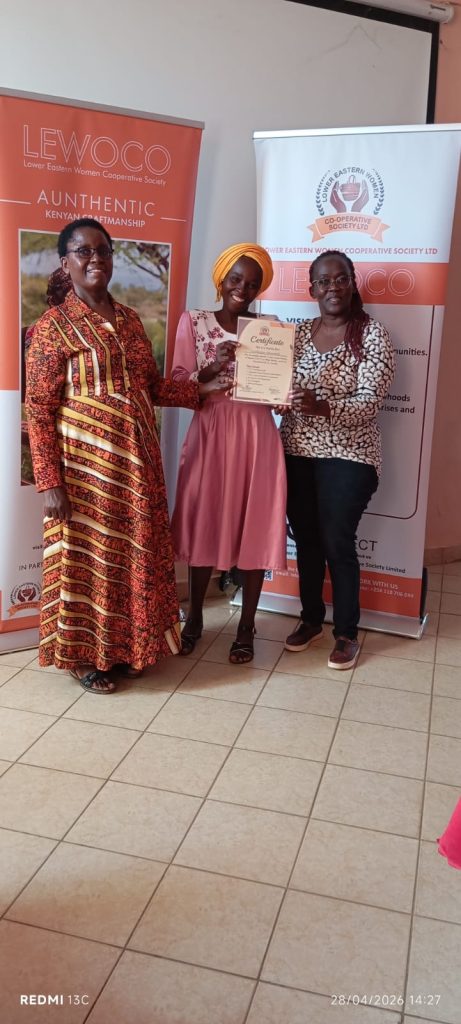
At the end of the training, the VSLA Champions were awarded certificates in recognition of their successful completion of the programme and their commitment to promoting sustainable community savings and lending initiatives.

The newly certified champions are expected to play a key role in expanding and strengthening VSLA groups by supporting members with the knowledge and skills needed to manage their savings groups effectively and sustainably.

The impact of the VSLA programme continues to be felt across LEWOCO's membership. To date, the organisation has established 39 active Village Savings and Loan Associations (VSLAs), which have become a transformative force for the cooperative and its members. The groups have enabled members to save regularly, access affordable loans, invest in income-generating activities, improve household livelihoods, and build financial resilience.

LEWOCO remains committed to empowering women and smallholder farmers through financial inclusion, capacity building, and community-led development. By investing in local trainers, the cooperative is laying a strong foundation for the continued growth and sustainability of the VSLA programme, ensuring that more communities benefit from improved access to financial services and economic opportunities.

LEWOCO Showcases Farmer Innovation at the World Farmers Organisation (WFO) Event in Nairobi

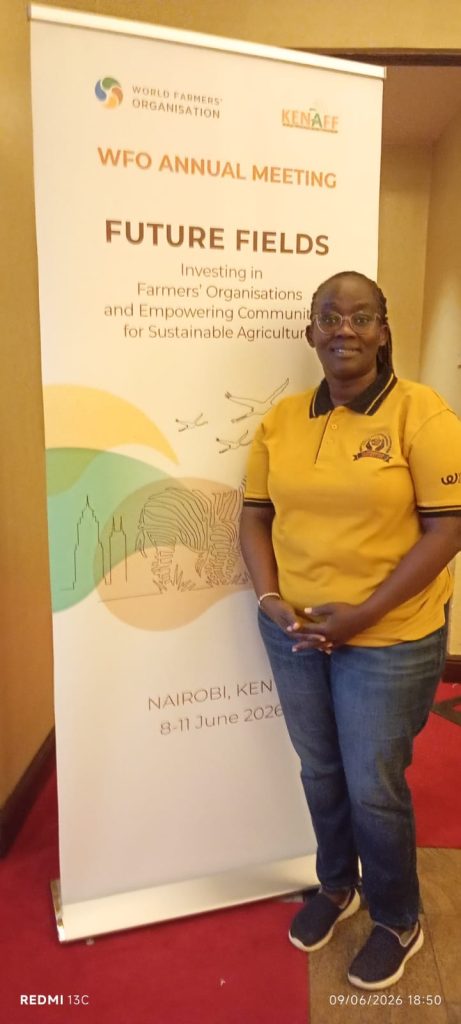
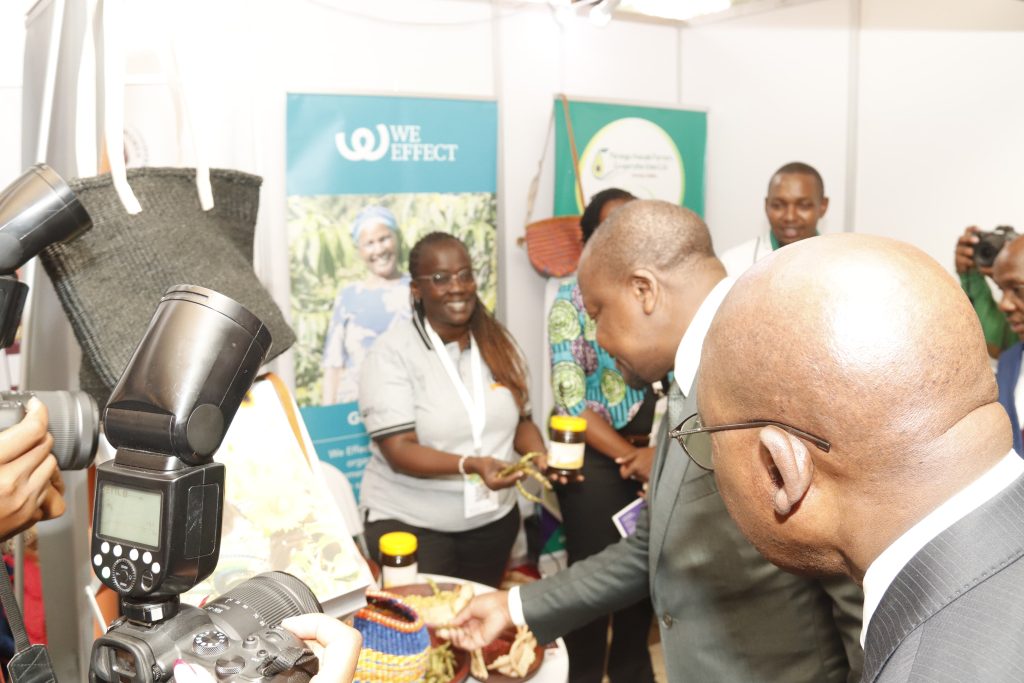
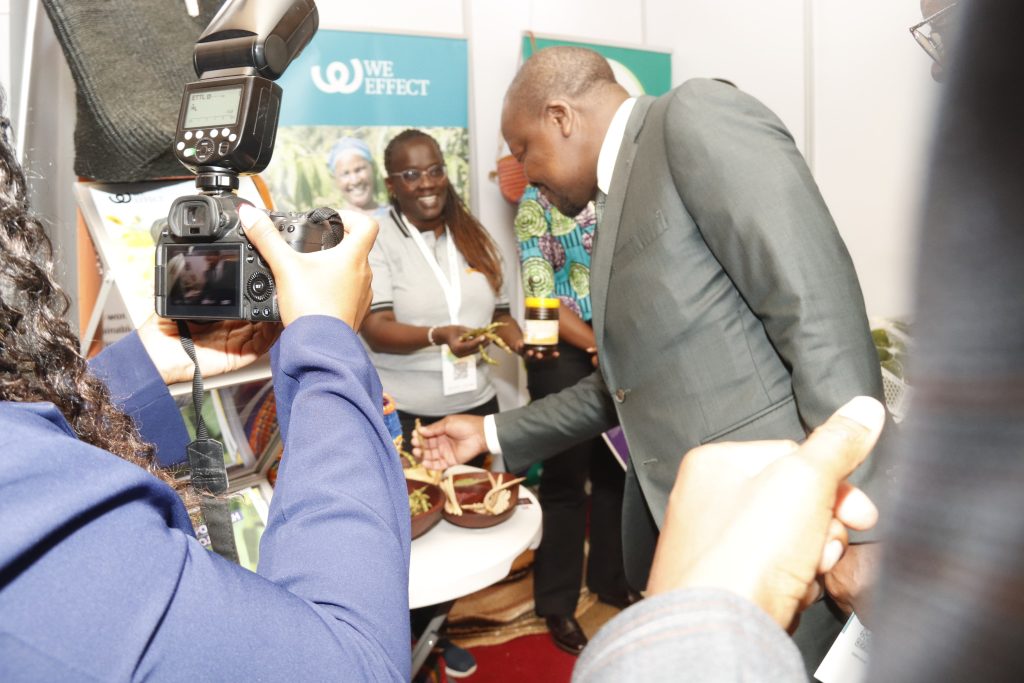
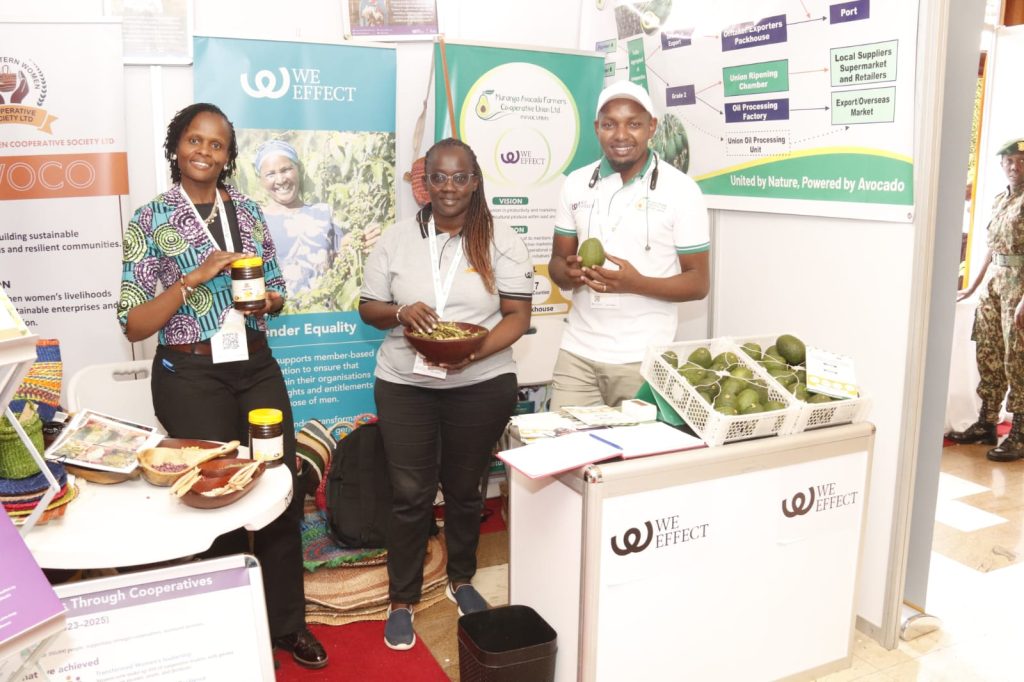
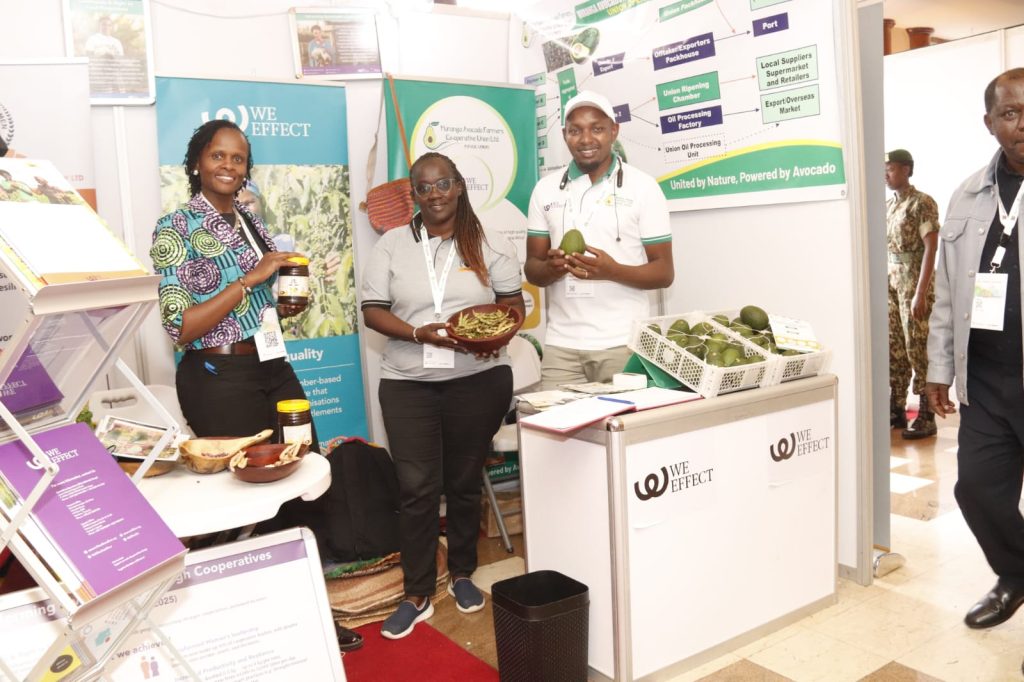
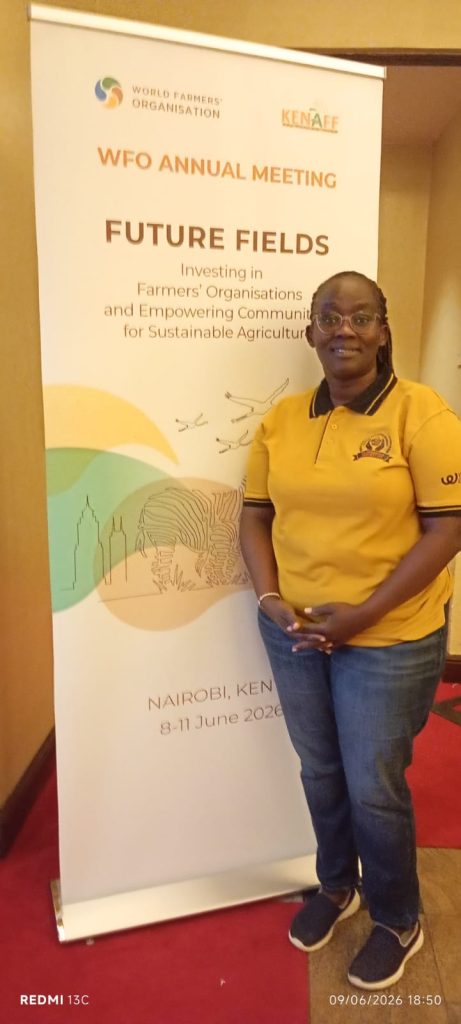
The Lower Eastern Women Cooperative Union (LEWOCO), in partnership with We Effect, proudly participated in the Kenya National Farmers' Federation (KENAFF) World Farmers Organisation (WFO) event held in Nairobi, where farmers from across the country came together to showcase innovations, exchange knowledge, and strengthen partnerships that promote sustainable agriculture.

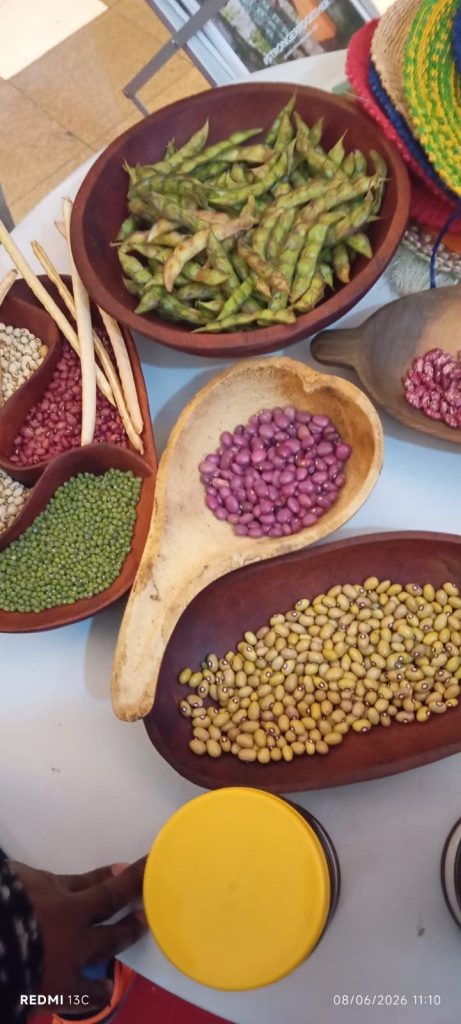
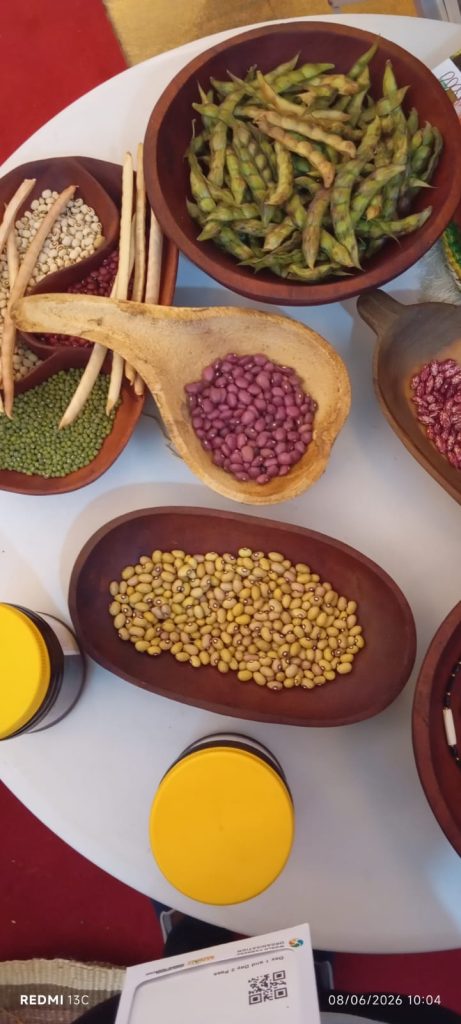
At the exhibition, LEWOCO displayed a range of high-quality farmer-produced products, including beans, green grams, peas, and natural honey, highlighting the hard work and resilience of smallholder farmers from the Lower Eastern region. The exhibition provided an excellent platform for connecting producers with stakeholders, development partners, policymakers, and potential markets.

The showcased legumes demonstrate the importance of climate-smart agriculture in improving food security, enhancing household incomes, and promoting sustainable farming systems. Rich in nutrients and well-suited to semi-arid regions, these crops continue to play a vital role in building resilient farming communities.

LEWOCO also exhibited premium natural honey produced by its member farmers, reflecting the growing opportunities in beekeeping as a complementary enterprise that supports biodiversity, enhances crop pollination, and diversifies farmers' income sources.

The partnership between LEWOCO and We Effect continues to empower farmers through capacity building, market linkages, value addition, and sustainable agricultural practices. Participating in national and international forums such as the WFO event enables farmers to share experiences, learn from global best practices, and explore new business opportunities.

LEWOCO remains committed to supporting women and smallholder farmers by promoting agricultural enterprises that improve livelihoods, strengthen cooperative development, and contribute to food and nutrition security across the region.

As the cooperative continues to expand market access and promote value addition, such exhibitions reaffirm the importance of partnerships in transforming agriculture into a profitable and sustainable venture for farming communities.

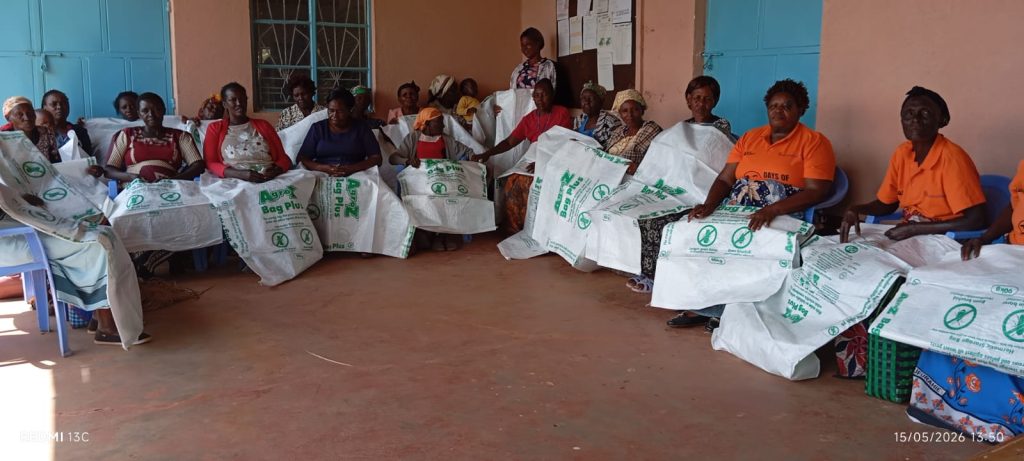
Demonstration on Post-Harvest Storage Using Hermetic Bags Conducted for Ikombe Weaving Women Group

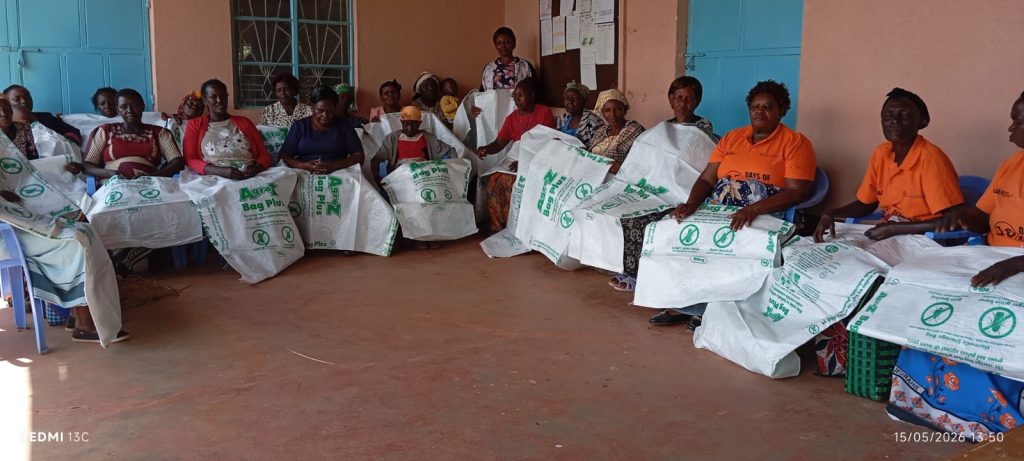
The Lower Eastern Women Cooperative Union (LEWOCO) continues to empower rural women farmers with practical knowledge that improves food security, reduces post-harvest losses, and increases household incomes. As part of these efforts, LEWOCO recently conducted a practical demonstration on post-harvest storage using hermetic bags for members of the Ikombe Weaving Women Group.

Post-harvest losses remain one of the greatest challenges facing smallholder farmers. Improper storage of grains such as maize, beans, green grams, pigeon peas, and cowpeas often leads to damage caused by insects, rodents, and mould, resulting in reduced food quality and financial losses. The training aimed to equip participants with affordable and effective storage techniques that preserve grain quality without relying on chemical pesticides.

During the demonstration, participants were taken through the correct use of hermetic bags, including proper grain drying before storage, careful filling and sealing of the bags, and safe handling practices to maintain the airtight environment required for effective preservation. Facilitators also explained how hermetic storage works by limiting oxygen inside the sealed bags, preventing insect pests from surviving and multiplying while maintaining the quality of stored produce.

The hands-on session allowed members of the Ikombe Weaving Women Group to practice the storage process, ask questions, and share their own experiences with post-harvest handling. Farmers also discussed the economic benefits of adopting hermetic storage technology, including reduced grain losses, improved food safety, better seed viability for the next planting season, and the ability to store produce for longer periods until market prices improve.

By promoting climate-smart and sustainable agricultural practices, LEWOCO continues to strengthen the resilience of women farmers across the Lower Eastern region. Through practical demonstrations such as this, the Union is helping farming communities reduce food losses, enhance household food security, and improve their livelihoods.

LEWOCO remains committed to supporting women-led groups with knowledge, skills, and innovative technologies that contribute to sustainable agriculture and stronger rural economies.

We Effect Board Members Visit LEWOCO to Strengthen Partnership and Empower Local Women

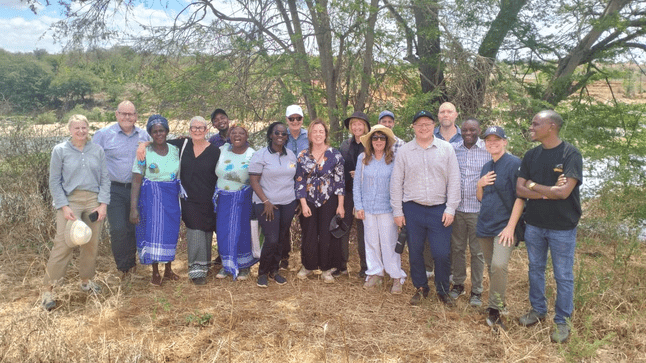
The Lower Eastern Women Cooperative Union (LEWOCO) was honored to host a delegation of We Effect Board Members at our offices this week. The visit marked an important milestone in the ongoing partnership between LEWOCO and We Effect — a collaboration built on the shared vision of empowering rural women, strengthening cooperatives, and fostering sustainable community development.During the visit, the Board Members had the opportunity to interact with women cooperative leaders, staff, and beneficiaries who shared inspiring stories of transformation made possible through We Effect’s support.

Discussions focused on climate-resilient agriculture, financial inclusion, governance, and women’s economic empowerment, highlighting the tangible impact of cooperative-driven change in the Lower Eastern region.The visitors also toured member cooperatives and local enterprises, witnessing firsthand how LEWOCO’s programs are improving livelihoods, creating jobs, and building capacity for rural women.

,"We Effect’s support has not only strengthened our institution but also given women in our communities the confidence and tools to take charge of their economic futures,” said a LEWOCO representative.

The visit concluded with renewed commitments to continue working together towards gender equality, poverty reduction, and sustainable livelihoods. LEWOCO remains grateful to We Effect for their unwavering partnership and belief in the power of women-led cooperatives.

Promoting Food Security through Kitchen Garden Nurseries: A Hands-On Demonstration with St. Agnes Mekilingi Women Group

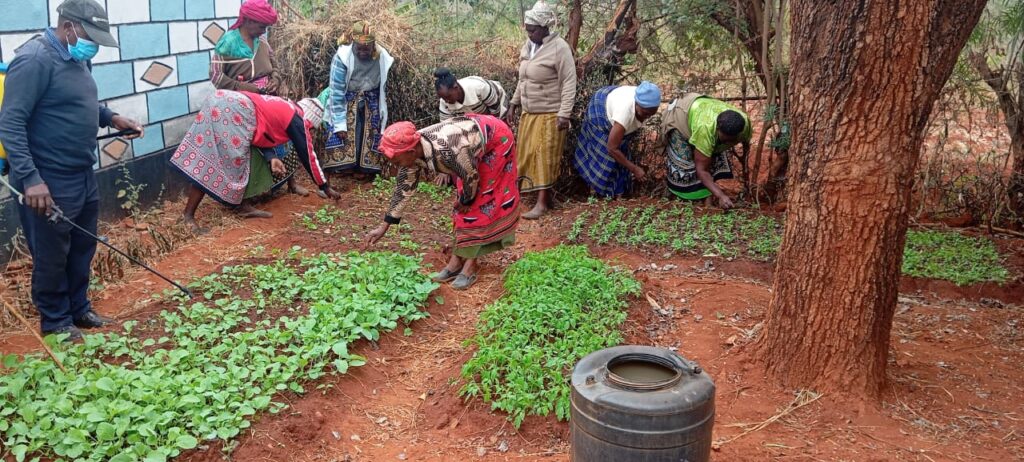
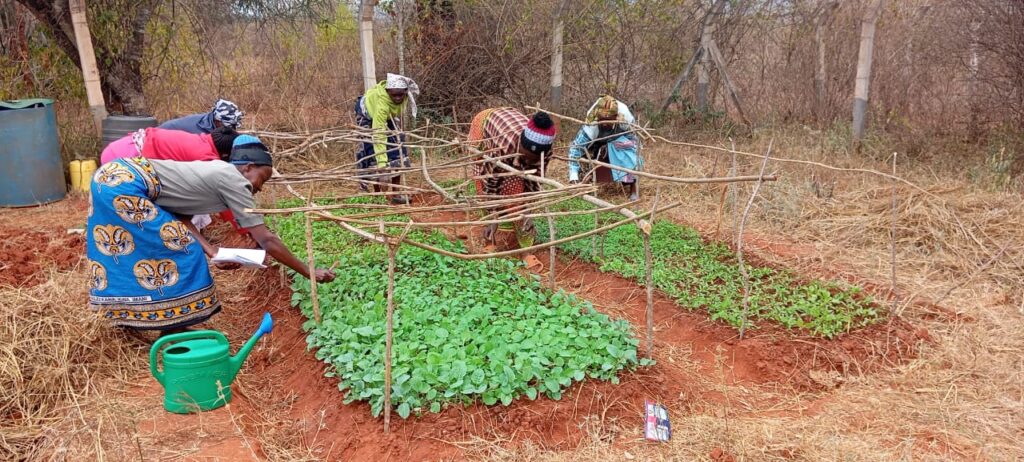
In the face of rising food prices and changing climate conditions, local women are stepping up to lead grassroots solutions to food insecurity. One such inspiring initiative took place recently with the St. Agnes Mekilingi Women Group, who received practical training on establishing kitchen garden nurseries—a low-cost, high-impact solution for ensuring household food security and nutritional well-being.

The Power of Kitchen Gardens

Kitchen gardens are small vegetable plots cultivated around homesteads, often using recycled materials, organic compost, and minimal water. While modest in appearance, these gardens can make a significant difference by providing consistent access to fresh, nutritious food such as leafy greens, tomatoes, onions, carrots, and herbs.For women-led households in rural and peri-urban areas, kitchen gardens offer more than just a means to fill the table—they offer a pathway to self-sufficiency, improved child nutrition, and reduced dependency on market-bought vegetables.

A Practical Demonstration at St. Agnes Mekilingi

During the training, members of the St. Agnes Mekilingi Women Group were taken through a step-by-step demonstration on how to set up and manage nursery beds for kitchen gardens. Topics covered included:

  • Seed selection and preparation
  • Nursery bed design and soil enrichment using compost
  • Watering techniques and simple irrigation methods
  • Transplanting seedlings into backyard plots or sacks
  • Natural pest and disease management
  • Harvesting and seed saving practices

The session emphasized the use of local resources and organic practices, making it both eco-friendly and cost-effective. Participants were encouraged to make use of available spaces—whether small plots, containers, sacks, or old basins—to initiate their gardens.

Why This Matters

Food insecurity is a pressing concern, especially among vulnerable populations. Women often bear the responsibility of feeding their families, yet have limited access to land or financial capital. Kitchen gardens help to bridge this gap, giving women more control over what their families eat while also empowering them with the knowledge and skills to thrive.Moreover, surplus produce from these gardens can be shared with neighbors or sold in local markets, creating an additional stream of income.

A Community Growing Together

The women of St. Agnes Mekilingi displayed incredible enthusiasm and a readiness to implement what they had learned. Their energy reflects a broader movement across rural Kenya—one in which women are not only advocating for food security but also taking direct action to achieve it.This demonstration marked just the beginning. Follow-up support, including access to seeds, watering cans, and compost materials, will ensure that these gardens continue to flourish.

Conclusion

By investing in kitchen garden nurseries, we’re not only planting vegetables—we’re planting resilience, health, and hope. The St. Agnes Mekilingi Women Group has shown what’s possible when communities are equipped with the right knowledge and support.Together, we can grow a food-secure future, one seed at a time.

Goats with a Purpose: Thome Women Group Embraces Hybrid Livestock Farming

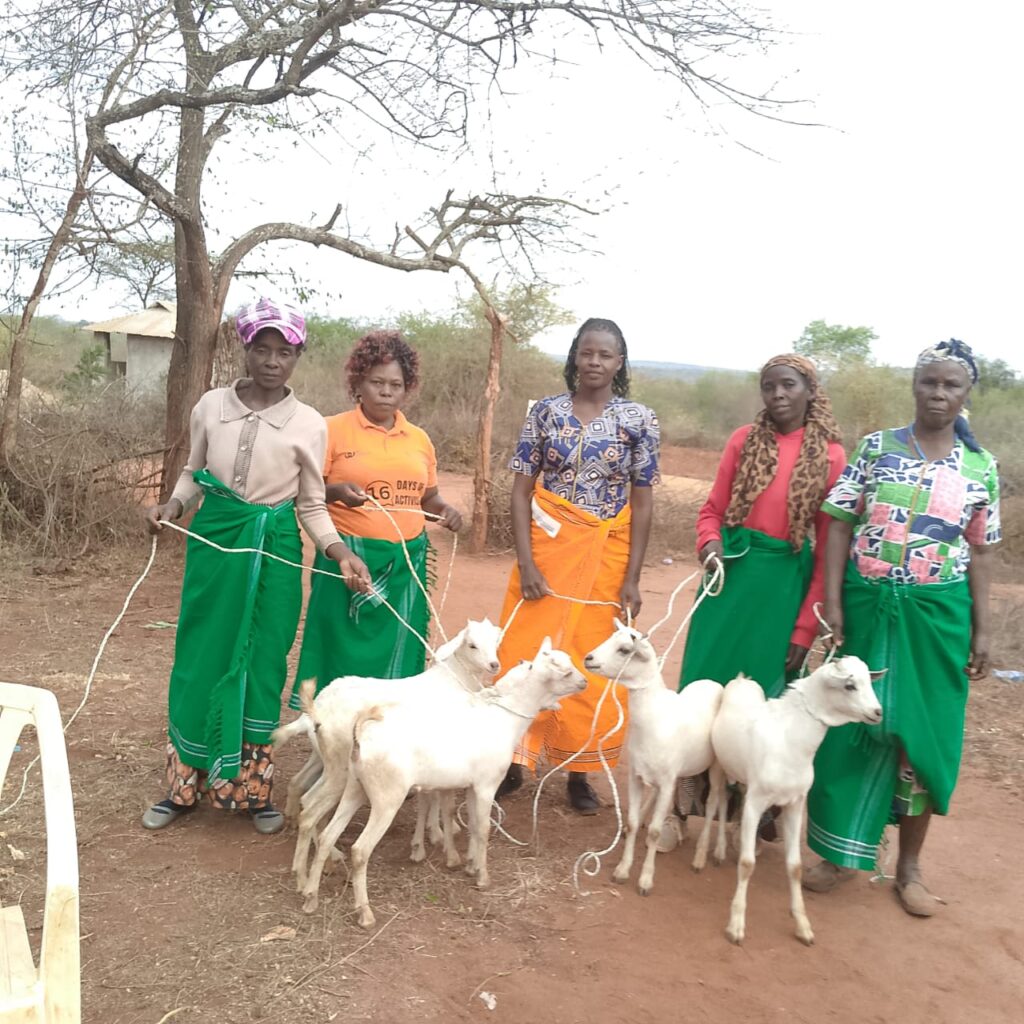
In a powerful step toward rural economic empowerment, the Thome Women Group recently participated in a live demonstration on hybrid local goat farming—a highly promising Alternative Income Generating Activity (AIGA) for women in the region.Goat farming offers multiple benefits: it’s low-maintenance, adaptable to harsh climates, and delivers valuable outputs including milk, meat, and manure.

The introduction of hybrid goats—bred for higher productivity—makes this practice even more attractive to women seeking flexible, sustainable ways to boost their incomes.During the demonstration, the women were trained on:

Selection of productive breeds,

Feeding and nutrition practices,

Simple housing and animal welfare,

Marketing strategies for goat products,

The enthusiasm and engagement shown by the Thome Women Group are proof that livestock farming can be more than a tradition—it can be a business, a tool for resilience, and a source of dignity.

As we continue to support community-based AIGAs like this, we affirm one truth: when women rise, entire communities thrive.

Empowering Women Through Poultry Farming – The Story of Kiumoni Women GroupKiumoni Women Group: Turning Poultry into Prosperity

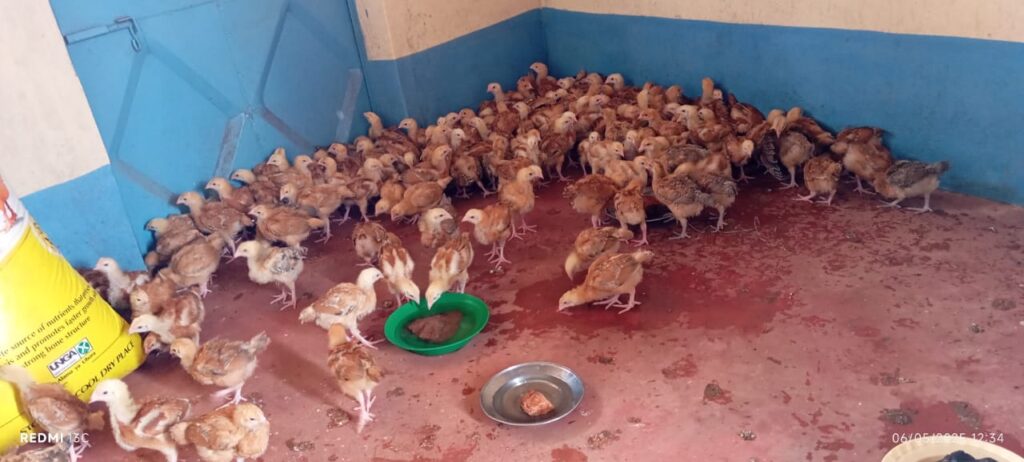
In the heart of our rural communities, a quiet revolution is taking place—led by women, powered by poultry. The Kiumoni Women Group recently conducted a live demonstration on poultry keeping, showing how this humble venture can grow into a profitable business and a powerful tool for empowerment.

Their session covered key practices in poultry housing, feeding, disease prevention, and marketing—giving both women and youth in the community hands-on experience in turning poultry into sustainable income. Beyond the technical training, the demonstration sparked a deeper conversation about financial freedom, food security, and women’s leadership in agribusiness.Poultry farming offers low start-up costs, quick returns, and the flexibility for women to manage it alongside household duties. With proper organization and market access, small flocks can translate into big opportunities—funding education, healthcare, and reinvestment in other ventures.

Kiumoni Women Group’s initiative is a shining example of how practical knowledge, unity, and purpose can transform rural livelihoods. Their story is not just about chickens—it’s about courage, consistency, and community.Because when you empower a woman, you empower a village. 🐓🌾

Empowering Women, Showcasing Nature: LEWOCO at Machakos Show Ground 2025

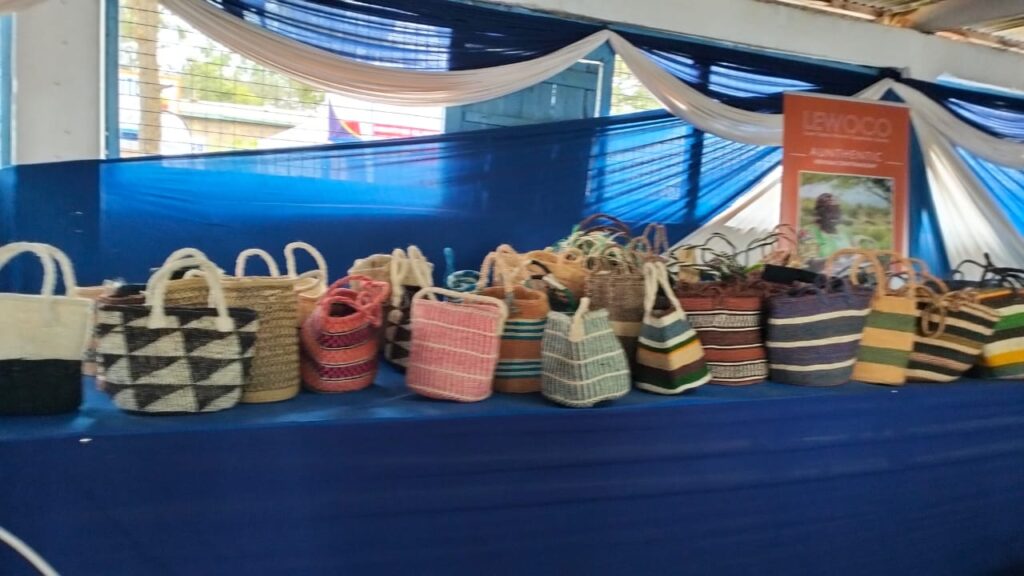
The LEWOCO team was honored to participate in the Machakos Show Ground Exhibition, June 2025, where we proudly displayed our commitment to women-led sustainable enterprise and innovation in agroecology.From intricately woven baskets to beautifully dyed fabrics, every product on our table told a story of empowerment, environmental consciousness, and economic independence. Visitors had the chance to interact with our vibrant women groups, learn about our natural dye processes, and purchase handmade items rooted in tradition and enhanced by creativity.

Our tent became a hub of curiosity and conversation—attracting policymakers, young people, buyers, and fellow cooperatives. The engagement was encouraging and highlighted the growing recognition of women’s role in building resilient communities through green business models.We thank everyone who visited, supported, and celebrated with us. Together, we are proving that sustainability and empowerment go hand-in-hand.LEWOCO – Local Strength, Global Vision.

Weaving Dignity and Income: Inside Ndindye Ngutindye Women Group’s Basket-Making Journey

In the quiet heart of our community, the rhythmic sound of weaving fills the air. At Ndindye Ngutindye Women Group, hands are busy, stories are shared, and purpose is woven into every strand of sisal. The women are hard at work, fulfilling basket orders that have come in from near and far — a clear sign that their craft is being recognized, celebrated, and supported.

This isn’t just basket-making. It’s a movement. A movement built on skill, unity, and resilience.

More Than a Craft

For the women of Ndindye Ngutindye, each basket tells a story — of hard-earned skill, late-night weaving sessions, and the satisfaction of creating something from scratch. Using locally sourced sisal and natural dyes, these women handcraft beautiful, functional baskets that reflect both tradition and creativity.

From vibrant patterns to strong, clean finishes, their products are a perfect blend of cultural heritage and modern taste. Each order fulfilled is not just a product delivered, but a dream sustained.

Building Livelihoods, Strengthening Bonds

With each order, the group earns income that helps support families — from paying school fees to buying food and investing back into their weaving. But the impact goes beyond money. The act of weaving together has strengthened friendships, built confidence, and created a strong support system among the women.

The group has become a space of learning and laughter — where women uplift each other and inspire the next generation to embrace handmade skills.

Orders Keeping Them Busy — and Proud

As demand for eco-friendly and handmade products rises, the women of Ndindye Ngutindye are busier than ever. Recent orders have included customized baskets for events, storage, and decorative use — a testament to their growing reputation.

“It feels good to see our work appreciated,” says one member, smiling as she adds finishing touches to a colorful basket. “We used to weave for ourselves — now we weave for the world.”

Looking Ahead

The journey is just beginning. With continued support from the community, cooperative networks, and partners, Ndindye Ngutindye Women Group hopes to expand production, explore online marketing, and mentor other women in the region.

These baskets are not mass-produced. They are heart-made — each one carrying a piece of the maker’s story, woven with pride, patience, and purpose.

Stay tuned as we follow the journey of these incredible women who are not just making baskets — they are weaving futures.