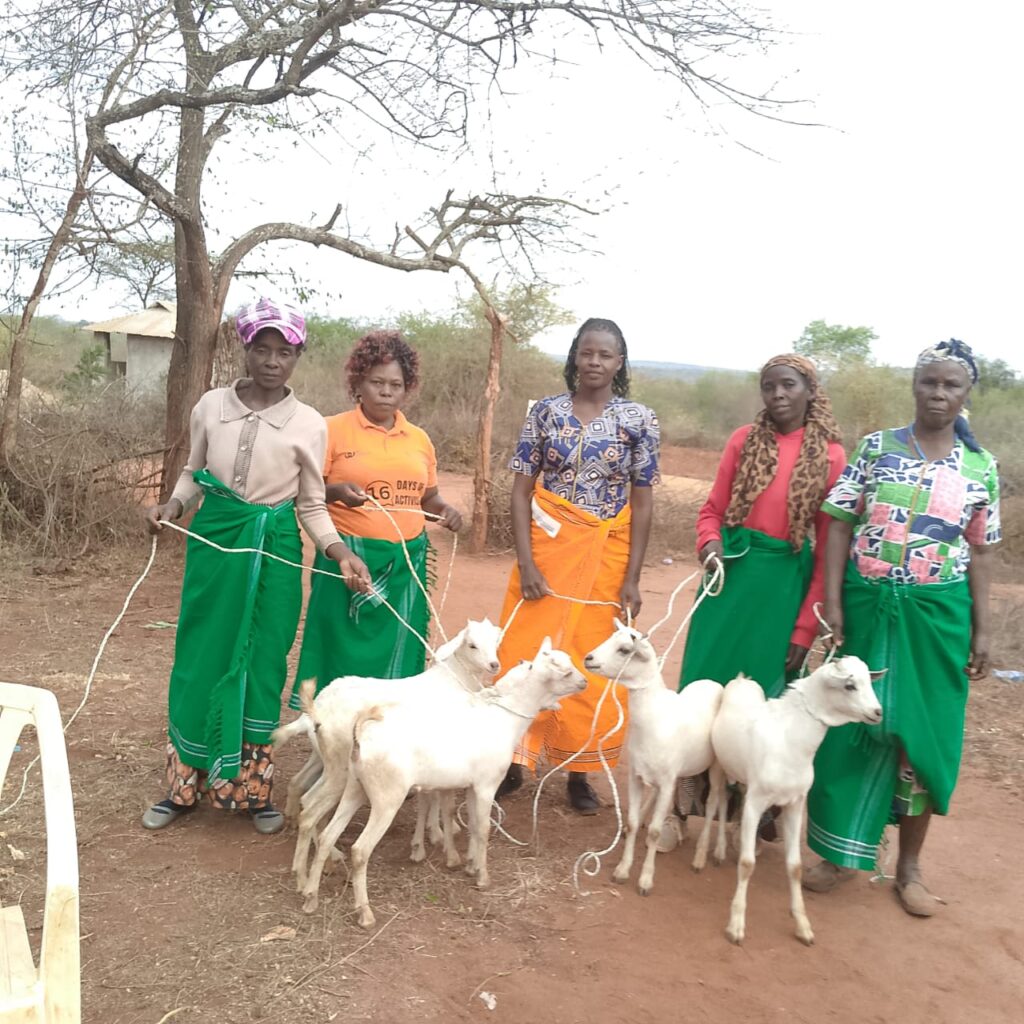
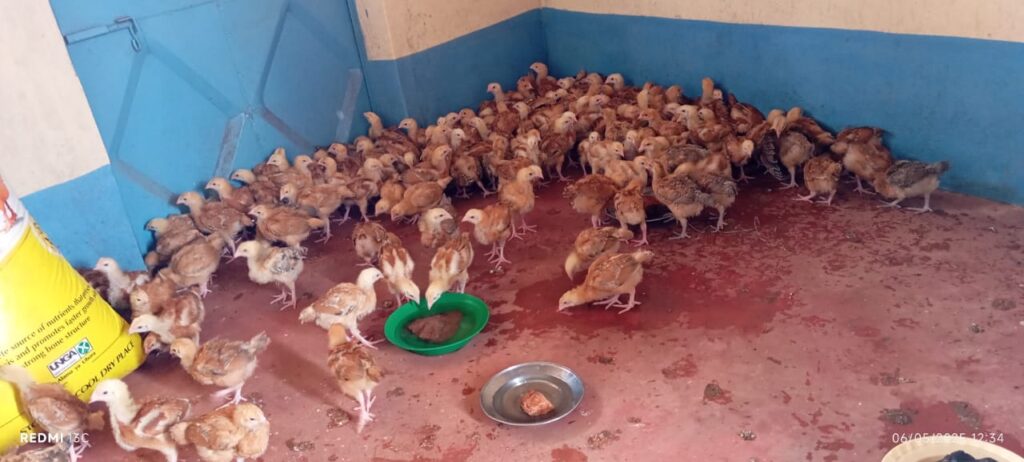
In the face of rising food prices and changing climate conditions, local women are stepping up to lead grassroots solutions to food insecurity. One such inspiring initiative took place recently with the St. Agnes Mekilingi Women Group, who received practical training on establishing kitchen garden nurseries—a low-cost, high-impact solution for ensuring household food security and nutritional well-being.
The Power of Kitchen Gardens
Kitchen gardens are small vegetable plots cultivated around homesteads, often using recycled materials, organic compost, and minimal water. While modest in appearance, these gardens can make a significant difference by providing consistent access to fresh, nutritious food such as leafy greens, tomatoes, onions, carrots, and herbs.For women-led households in rural and peri-urban areas, kitchen gardens offer more than just a means to fill the table—they offer a pathway to self-sufficiency, improved child nutrition, and reduced dependency on market-bought vegetables.
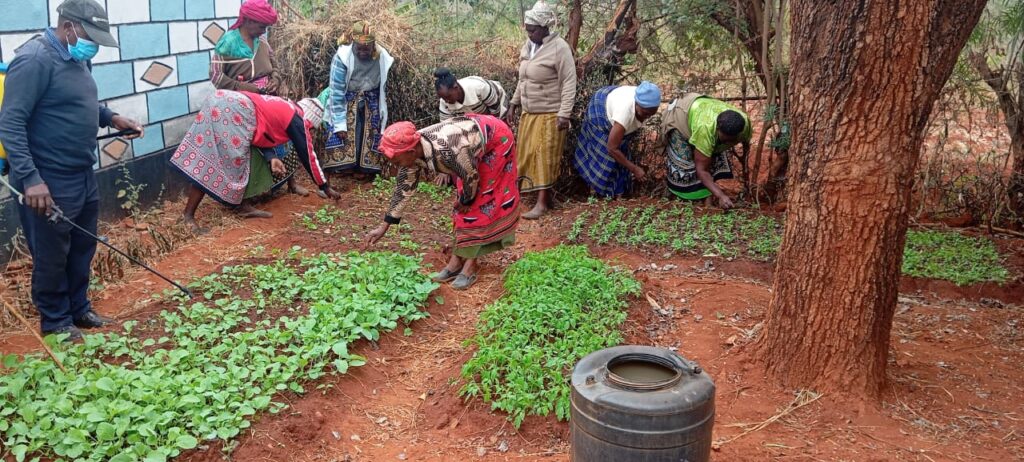
A Practical Demonstration at St. Agnes Mekilingi
During the training, members of the St. Agnes Mekilingi Women Group were taken through a step-by-step demonstration on how to set up and manage nursery beds for kitchen gardens. Topics covered included:
- Seed selection and preparation
- Nursery bed design and soil enrichment using compost
- Watering techniques and simple irrigation methods
- Transplanting seedlings into backyard plots or sacks
- Natural pest and disease management
- Harvesting and seed saving practices
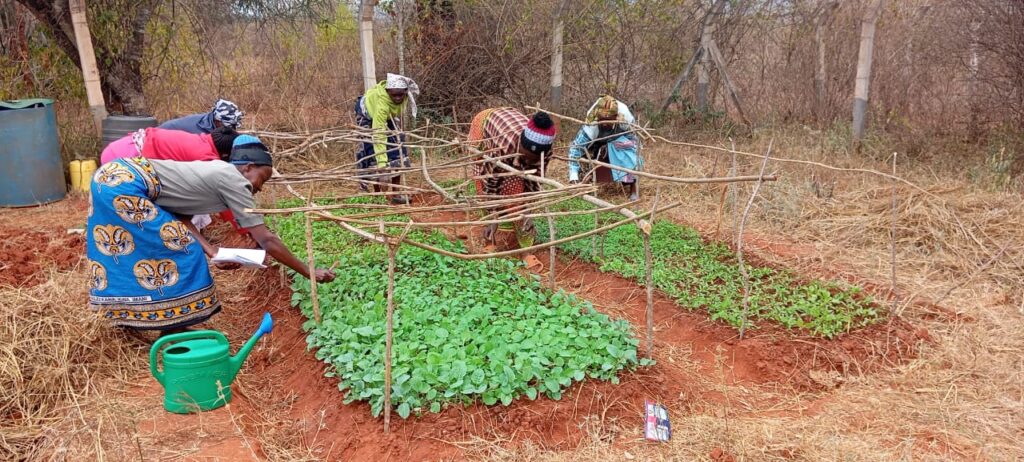
The session emphasized the use of local resources and organic practices, making it both eco-friendly and cost-effective. Participants were encouraged to make use of available spaces—whether small plots, containers, sacks, or old basins—to initiate their gardens.
Why This Matters
Food insecurity is a pressing concern, especially among vulnerable populations. Women often bear the responsibility of feeding their families, yet have limited access to land or financial capital. Kitchen gardens help to bridge this gap, giving women more control over what their families eat while also empowering them with the knowledge and skills to thrive.Moreover, surplus produce from these gardens can be shared with neighbors or sold in local markets, creating an additional stream of income.
A Community Growing Together
The women of St. Agnes Mekilingi displayed incredible enthusiasm and a readiness to implement what they had learned. Their energy reflects a broader movement across rural Kenya—one in which women are not only advocating for food security but also taking direct action to achieve it.This demonstration marked just the beginning. Follow-up support, including access to seeds, watering cans, and compost materials, will ensure that these gardens continue to flourish.
Conclusion
By investing in kitchen garden nurseries, we’re not only planting vegetables—we’re planting resilience, health, and hope. The St. Agnes Mekilingi Women Group has shown what’s possible when communities are equipped with the right knowledge and support.Together, we can grow a food-secure future, one seed at a time.