Introduction
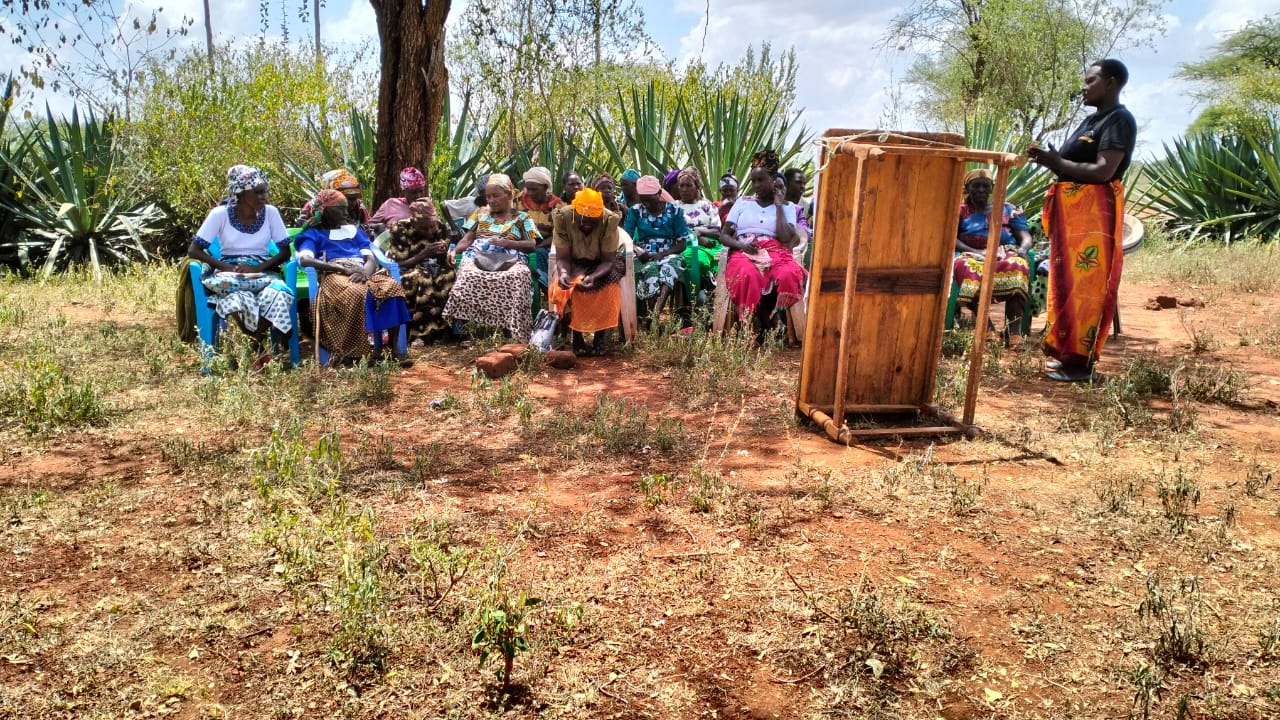
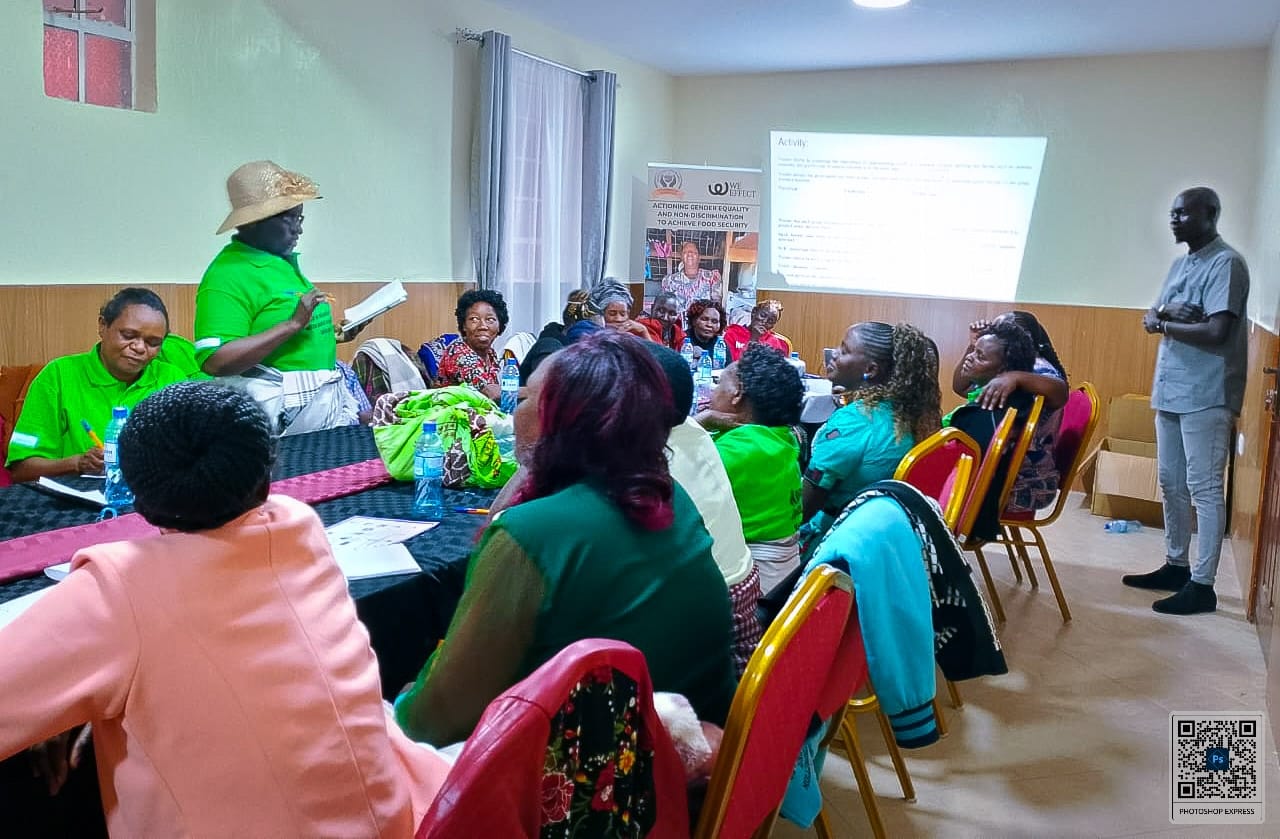
In the heart of Machakos County, the Mombuni Women Group is transforming lives through sustainable agriculture and economic empowerment. Comprising dedicated women who are passionate about improving food security and livelihoods, the group has embraced agro-ecology as a means to enhance their farming practices and build resilience against climate change. Through targeted training programs, they are now at the forefront of sustainable farming, ensuring both environmental conservation and economic stability.
The Role of Agro-Ecology Training
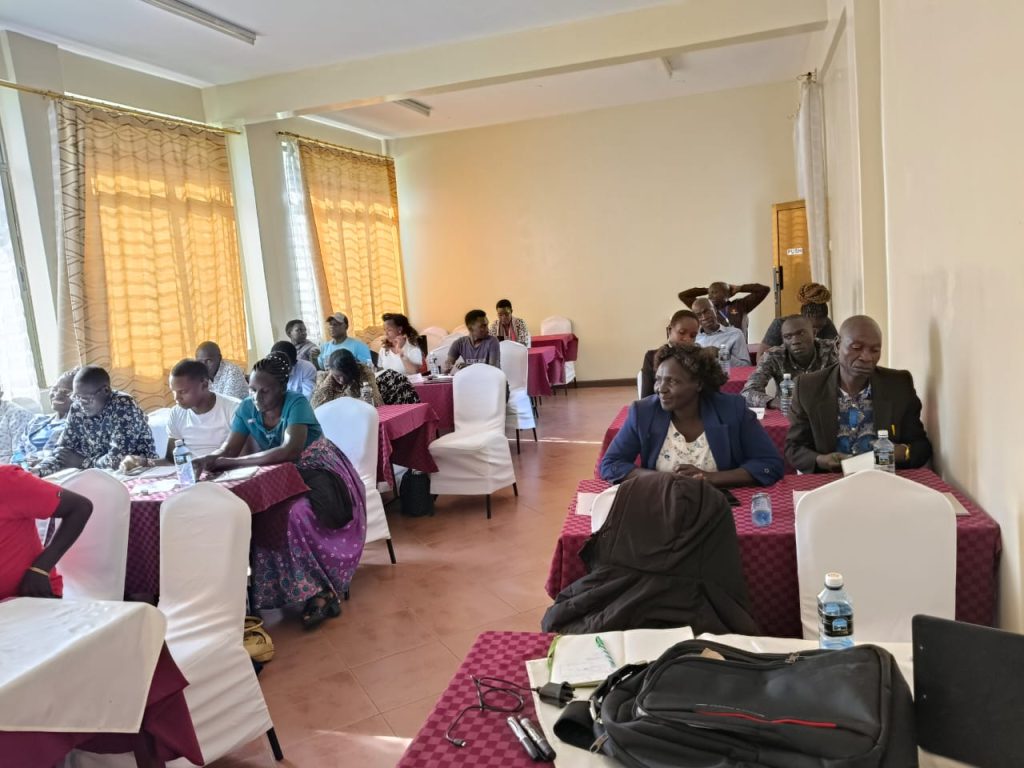
Agro-ecology training has played a crucial role in equipping the Mombuni Women Group with the knowledge and skills necessary to practice eco-friendly and productive farming. The training focuses on several key areas:
Sustainable Farming Practices – Women learn to cultivate crops using organic fertilizers, crop rotation, and natural pest management techniques, reducing reliance on chemical inputs.
Water Conservation Techniques – Given Machakos County’s semi-arid climate, training emphasizes rainwater harvesting, drip irrigation, and mulching to enhance water efficiency.
Soil Health Improvement – Members are trained on composting, agroforestry, and intercropping methods to maintain soil fertility and prevent erosion.
Diversification for Food Security – The training encourages growing a variety of crops, including indigenous vegetables and drought-resistant plants, ensuring food availability even during dry seasons
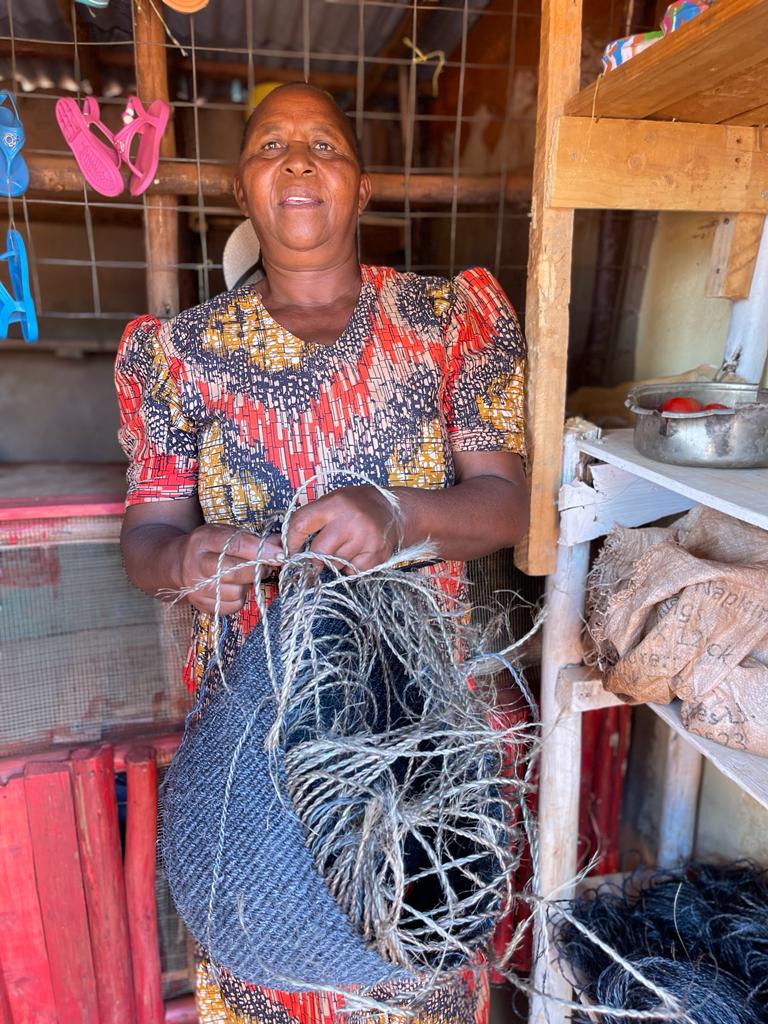
Market Access and Value Addition – The women gain skills in processing and packaging farm produce to increase market value and create additional income streams.
Impact on the Community
The adoption of agro-ecology has had far-reaching benefits beyond just the members of the Mombuni Women Group:
- Increased Household Income – By implementing sustainable practices, members have improved yields and reduced farming costs, leading to higher profits.
- Environmental Conservation – The shift to organic farming has minimized soil degradation, enhanced biodiversity, and contributed to reforestation efforts.
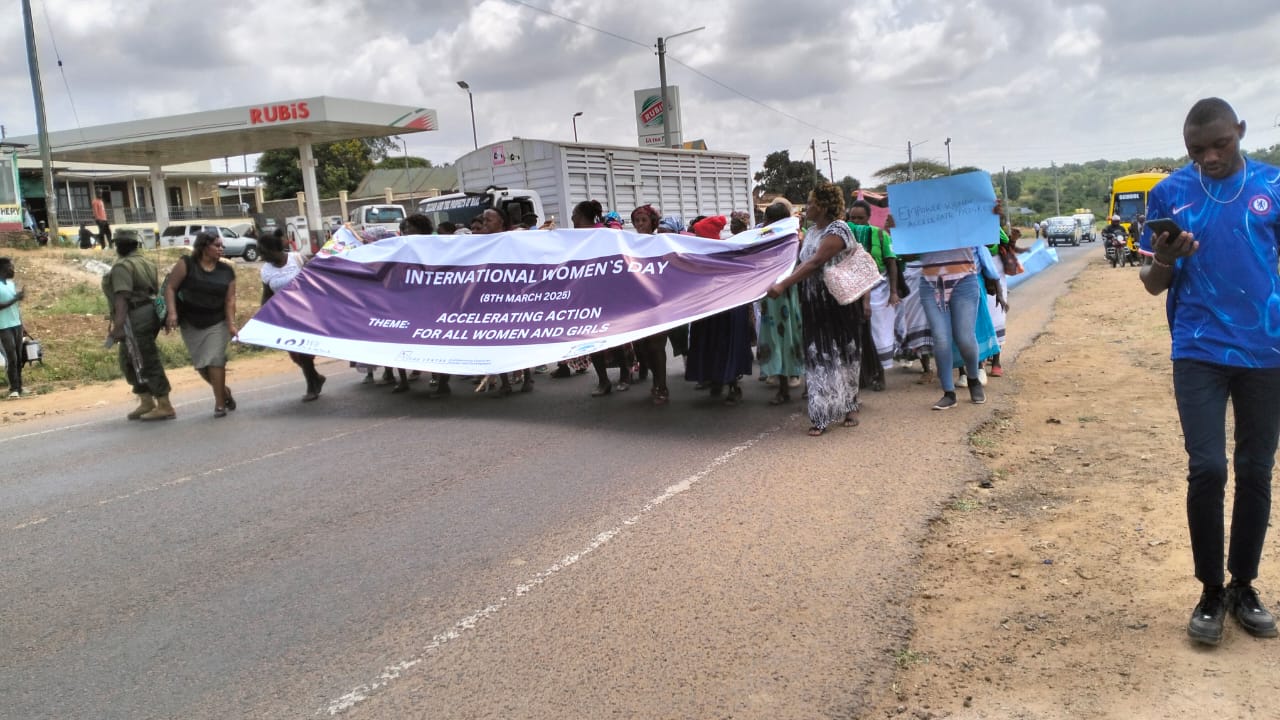
- Women’s Empowerment – The training has strengthened the role of women in decision-making within their households and communities, fostering economic independence and social inclusion.
- Knowledge Transfer – Women from the group are training other community members, expanding the reach of sustainable farming techniques and promoting food security.
Challenges and Future Prospects
Despite the progress made, the Mombuni Women Group faces challenges such as limited access to financial resources, unpredictable weather patterns, and market fluctuations. To address these issues, continued support from cooperatives, government agencies, and NGOs is essential.
Looking ahead, the group aims to expand agro-ecology initiatives by establishing demonstration farms, forming partnerships with agricultural institutions, and advocating for policies that support smallholder women farmers.
Conclusion
The Mombuni Women Group is a testament to the power of community-driven initiatives in sustainable agriculture. Through agro-ecology training, these women are not only improving their livelihoods but also championing environmental conservation and food security. With continued support, they will remain a driving force in the movement towards resilient and sustainable farming in Machakos County and beyond.