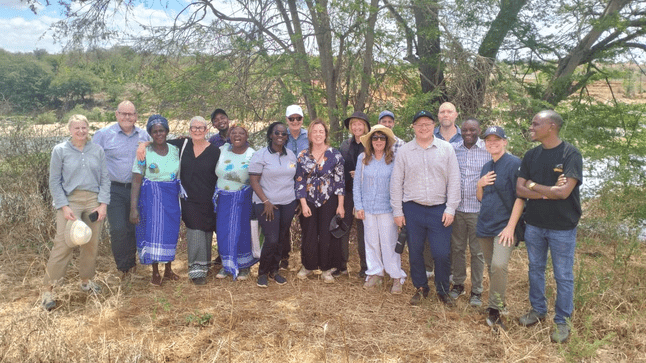
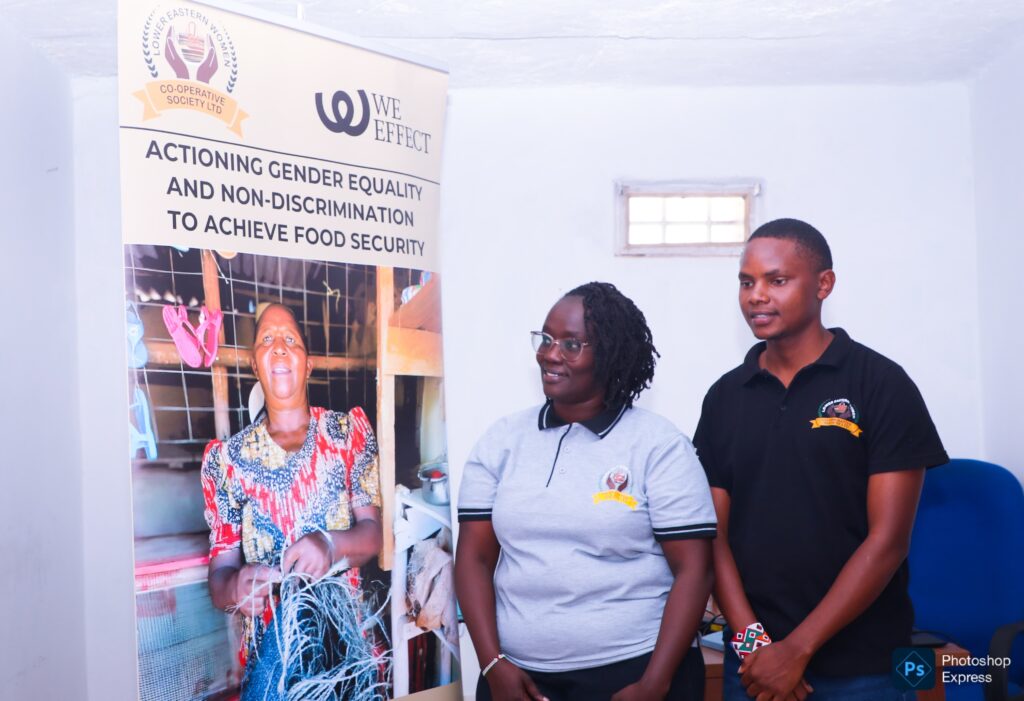
The Lower Eastern Women Cooperative Union (LEWOCO) was honored to host a delegation of We Effect Board Members at our offices this week. The visit marked an important milestone in the ongoing partnership between LEWOCO and We Effect — a collaboration built on the shared vision of empowering rural women, strengthening cooperatives, and fostering sustainable community development.During the visit, the Board Members had the opportunity to interact with women cooperative leaders, staff, and beneficiaries who shared inspiring stories of transformation made possible through We Effect’s support.
Discussions focused on climate-resilient agriculture, financial inclusion, governance, and women’s economic empowerment, highlighting the tangible impact of cooperative-driven change in the Lower Eastern region.The visitors also toured member cooperatives and local enterprises, witnessing firsthand how LEWOCO’s programs are improving livelihoods, creating jobs, and building capacity for rural women.
,"We Effect’s support has not only strengthened our institution but also given women in our communities the confidence and tools to take charge of their economic futures,” said a LEWOCO representative.
The visit concluded with renewed commitments to continue working together towards gender equality, poverty reduction, and sustainable livelihoods. LEWOCO remains grateful to We Effect for their unwavering partnership and belief in the power of women-led cooperatives.
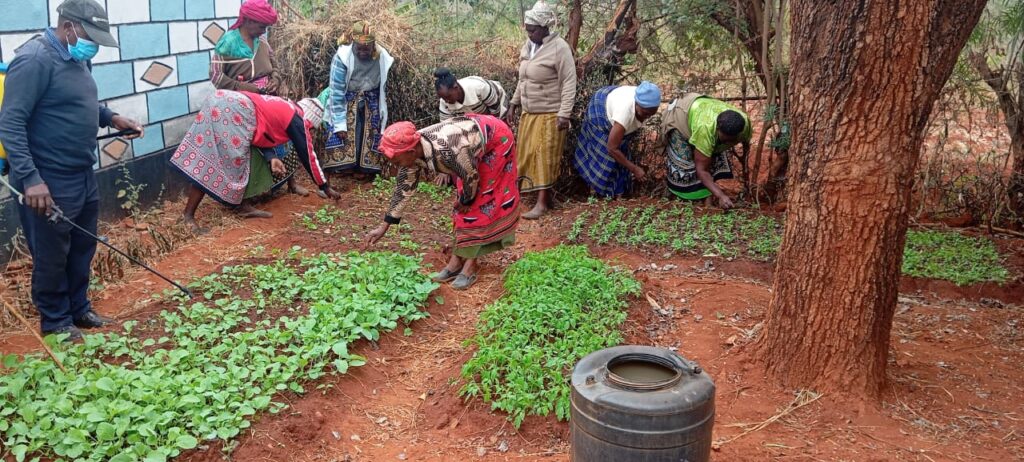
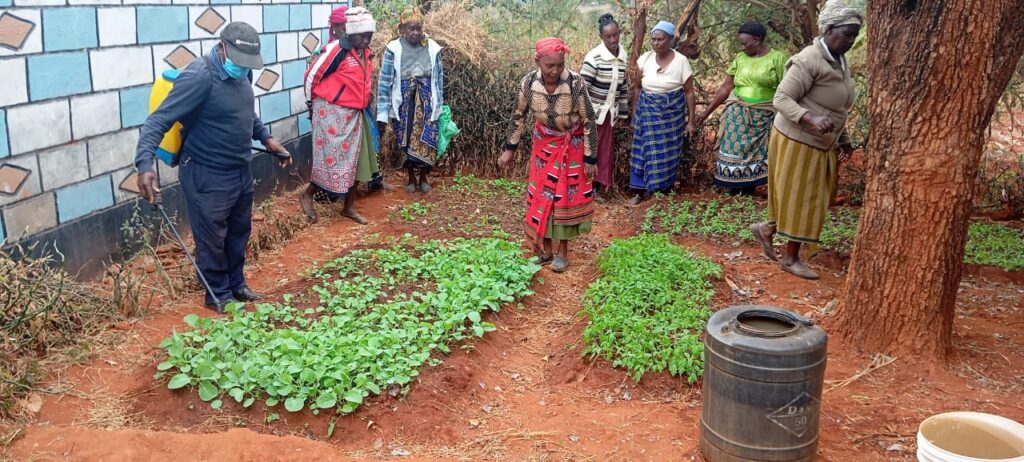
In the face of rising food prices and changing climate conditions, local women are stepping up to lead grassroots solutions to food insecurity. One such inspiring initiative took place recently with the St. Agnes Mekilingi Women Group, who received practical training on establishing kitchen garden nurseries—a low-cost, high-impact solution for ensuring household food security and nutritional well-being.
The Power of Kitchen Gardens
Kitchen gardens are small vegetable plots cultivated around homesteads, often using recycled materials, organic compost, and minimal water. While modest in appearance, these gardens can make a significant difference by providing consistent access to fresh, nutritious food such as leafy greens, tomatoes, onions, carrots, and herbs.For women-led households in rural and peri-urban areas, kitchen gardens offer more than just a means to fill the table—they offer a pathway to self-sufficiency, improved child nutrition, and reduced dependency on market-bought vegetables.
A Practical Demonstration at St. Agnes Mekilingi
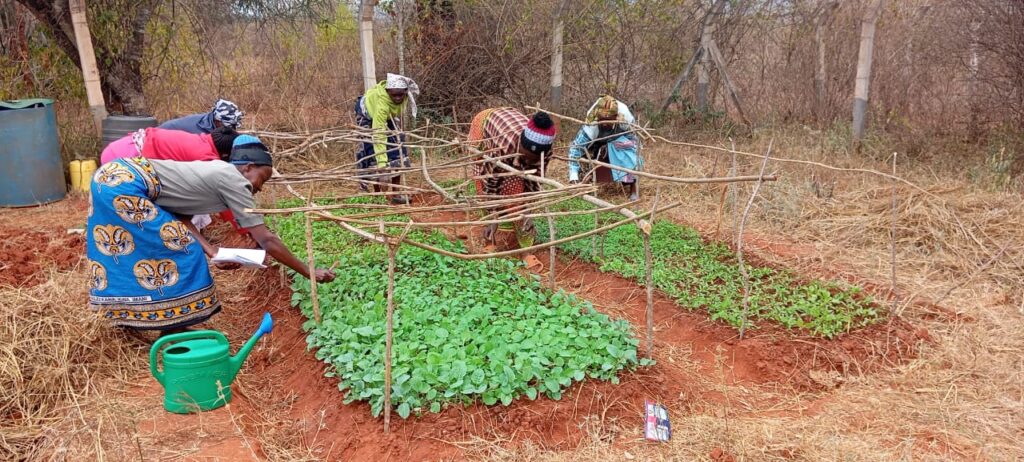
During the training, members of the St. Agnes Mekilingi Women Group were taken through a step-by-step demonstration on how to set up and manage nursery beds for kitchen gardens. Topics covered included:
Seed selection and preparation
Nursery bed design and soil enrichment using compost
Watering techniques and simple irrigation methods
Transplanting seedlings into backyard plots or sacks
Natural pest and disease management
Harvesting and seed saving practices
The session emphasized the use of local resources and organic practices, making it both eco-friendly and cost-effective. Participants were encouraged to make use of available spaces—whether small plots, containers, sacks, or old basins—to initiate their gardens.
Why This Matters
Food insecurity is a pressing concern, especially among vulnerable populations. Women often bear the responsibility of feeding their families, yet have limited access to land or financial capital. Kitchen gardens help to bridge this gap, giving women more control over what their families eat while also empowering them with the knowledge and skills to thrive.Moreover, surplus produce from these gardens can be shared with neighbors or sold in local markets, creating an additional stream of income.
A Community Growing Together
The women of St. Agnes Mekilingi displayed incredible enthusiasm and a readiness to implement what they had learned. Their energy reflects a broader movement across rural Kenya—one in which women are not only advocating for food security but also taking direct action to achieve it.This demonstration marked just the beginning. Follow-up support, including access to seeds, watering cans, and compost materials, will ensure that these gardens continue to flourish.
Conclusion
By investing in kitchen garden nurseries, we’re not only planting vegetables—we’re planting resilience, health, and hope. The St. Agnes Mekilingi Women Group has shown what’s possible when communities are equipped with the right knowledge and support.Together, we can grow a food-secure future, one seed at a time.
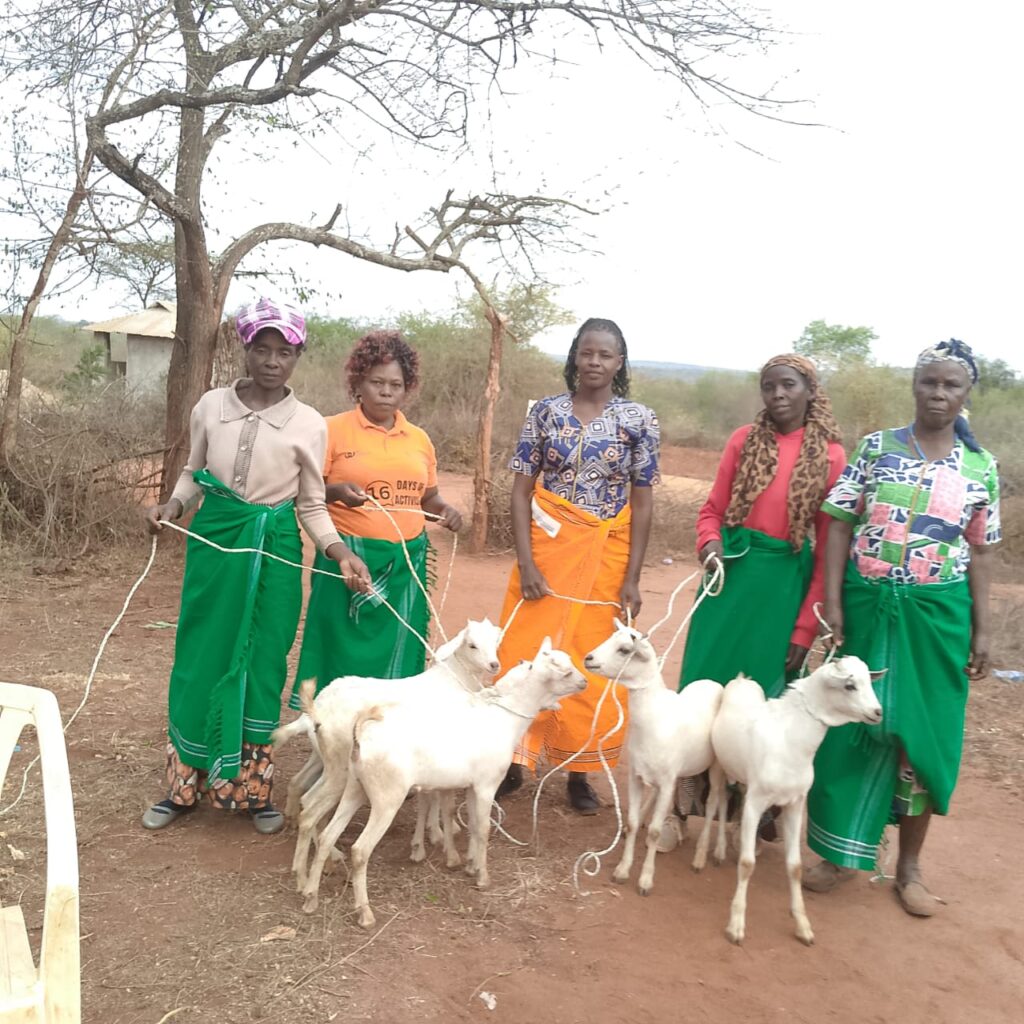
In a powerful step toward rural economic empowerment, the Thome Women Group recently participated in a live demonstration on hybrid local goat farming—a highly promising Alternative Income Generating Activity (AIGA) for women in the region.Goat farming offers multiple benefits: it’s low-maintenance, adaptable to harsh climates, and delivers valuable outputs including milk, meat, and manure.
The introduction of hybrid goats—bred for higher productivity—makes this practice even more attractive to women seeking flexible, sustainable ways to boost their incomes.During the demonstration, the women were trained on:
Selection of productive breeds,
Feeding and nutrition practices,
Simple housing and animal welfare,
Marketing strategies for goat products,
The enthusiasm and engagement shown by the Thome Women Group are proof that livestock farming can be more than a tradition—it can be a business, a tool for resilience, and a source of dignity.
As we continue to support community-based AIGAs like this, we affirm one truth: when women rise, entire communities thrive.
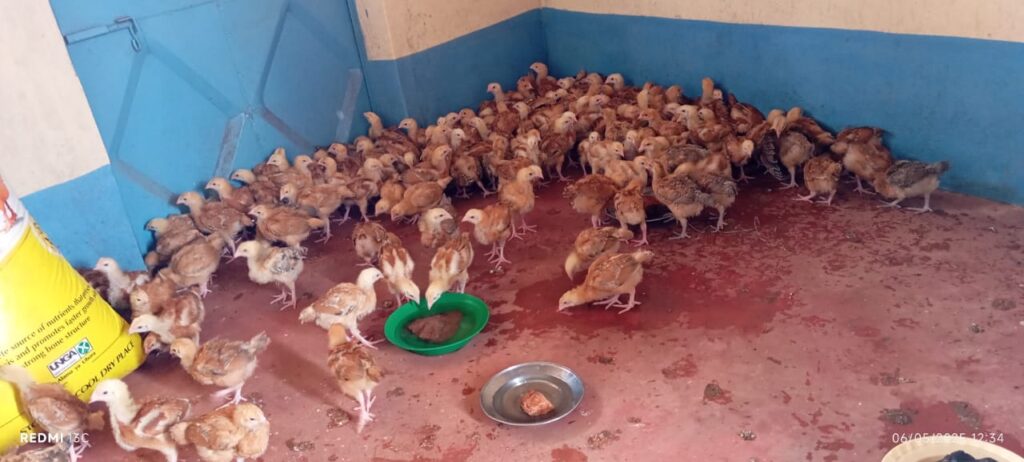
In the heart of our rural communities, a quiet revolution is taking place—led by women, powered by poultry. The Kiumoni Women Group recently conducted a live demonstration on poultry keeping, showing how this humble venture can grow into a profitable business and a powerful tool for empowerment.
Their session covered key practices in poultry housing, feeding, disease prevention, and marketing—giving both women and youth in the community hands-on experience in turning poultry into sustainable income. Beyond the technical training, the demonstration sparked a deeper conversation about financial freedom, food security, and women’s leadership in agribusiness.Poultry farming offers low start-up costs, quick returns, and the flexibility for women to manage it alongside household duties. With proper organization and market access, small flocks can translate into big opportunities—funding education, healthcare, and reinvestment in other ventures.
Kiumoni Women Group’s initiative is a shining example of how practical knowledge, unity, and purpose can transform rural livelihoods. Their story is not just about chickens—it’s about courage, consistency, and community.Because when you empower a woman, you empower a village. 🐓🌾
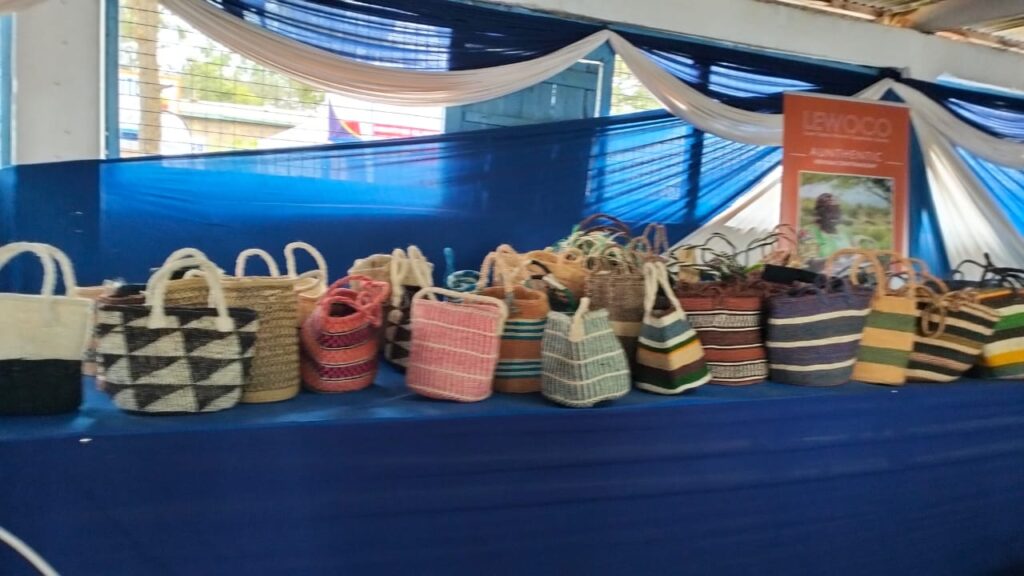
The LEWOCO team was honored to participate in the Machakos Show Ground Exhibition, June 2025, where we proudly displayed our commitment to women-led sustainable enterprise and innovation in agroecology.From intricately woven baskets to beautifully dyed fabrics, every product on our table told a story of empowerment, environmental consciousness, and economic independence. Visitors had the chance to interact with our vibrant women groups, learn about our natural dye processes, and purchase handmade items rooted in tradition and enhanced by creativity.
Our tent became a hub of curiosity and conversation—attracting policymakers, young people, buyers, and fellow cooperatives. The engagement was encouraging and highlighted the growing recognition of women’s role in building resilient communities through green business models.We thank everyone who visited, supported, and celebrated with us. Together, we are proving that sustainability and empowerment go hand-in-hand.LEWOCO – Local Strength, Global Vision.
In the quiet heart of our community, the rhythmic sound of weaving fills the air. At Ndindye Ngutindye Women Group, hands are busy, stories are shared, and purpose is woven into every strand of sisal. The women are hard at work, fulfilling basket orders that have come in from near and far — a clear sign that their craft is being recognized, celebrated, and supported.
This isn’t just basket-making. It’s a movement. A movement built on skill, unity, and resilience.
More Than a Craft
For the women of Ndindye Ngutindye, each basket tells a story — of hard-earned skill, late-night weaving sessions, and the satisfaction of creating something from scratch. Using locally sourced sisal and natural dyes, these women handcraft beautiful, functional baskets that reflect both tradition and creativity.
From vibrant patterns to strong, clean finishes, their products are a perfect blend of cultural heritage and modern taste. Each order fulfilled is not just a product delivered, but a dream sustained.
Building Livelihoods, Strengthening Bonds
With each order, the group earns income that helps support families — from paying school fees to buying food and investing back into their weaving. But the impact goes beyond money. The act of weaving together has strengthened friendships, built confidence, and created a strong support system among the women.
The group has become a space of learning and laughter — where women uplift each other and inspire the next generation to embrace handmade skills.
Orders Keeping Them Busy — and Proud
As demand for eco-friendly and handmade products rises, the women of Ndindye Ngutindye are busier than ever. Recent orders have included customized baskets for events, storage, and decorative use — a testament to their growing reputation.
“It feels good to see our work appreciated,” says one member, smiling as she adds finishing touches to a colorful basket. “We used to weave for ourselves — now we weave for the world.”
Looking Ahead
The journey is just beginning. With continued support from the community, cooperative networks, and partners, Ndindye Ngutindye Women Group hopes to expand production, explore online marketing, and mentor other women in the region.
These baskets are not mass-produced. They are heart-made — each one carrying a piece of the maker’s story, woven with pride, patience, and purpose.
Stay tuned as we follow the journey of these incredible women who are not just making baskets — they are weaving futures.
This year’s Agroecology Symposium 2024 was more than just an event — it was a celebration of innovation, resilience, and the power of communities driving change from the ground up. LEWOCO was proud to be among the exhibitors, showcasing our natural handmade products that are not only beautiful, but rooted in sustainability and tradition.
At the center of our tent stood our very own Manager — a true symbol of women’s leadership — welcoming visitors, sharing our story, and passionately explaining how LEWOCO is empowering women through value addition and eco-conscious enterprise.
Our display featured an elegant range of handcrafted products made from sisal twines, all dyed using natural plant-based dyes. These aren’t just items — they’re symbols of sustainable livelihoods. By turning locally available materials into marketable crafts, our members are building income-generating opportunities that respect both people and planet.
Why Natural Matters
At LEWOCO, we believe in using what nature provides — responsibly. Our natural dyes come from plants and roots traditionally used in our communities, ensuring that our products are safe, biodegradable, and aligned with agroecological values. No chemicals, no shortcuts — just nature’s own colors, infused with care.
Every color, every weave, every knot carries a story — of women coming together to learn, share, and grow.
More Than Just a Tent
Our participation in the symposium wasn't just about selling products. It was about sharing a vision. A vision where women in rural Kenya are not left behind but are leading the way in climate-resilient livelihoods. Where cooperatives aren’t just economic tools, but communities of learning, solidarity, and strength.
We engaged with fellow farmers, innovators, policy makers, and civil society partners — exchanging ideas on agroecology, sustainable markets, and the role of grassroots women’s groups in transforming food systems.
What’s Next for LEWOCO?
As we move forward, we are more energized than ever to expand our reach. We aim to train more women, explore new eco-friendly techniques, and grow our market presence both locally and beyond.
We’re grateful for the opportunity to have been part of Agroecology 2024. We carry back not just contacts and compliments — but a renewed belief that local solutions led by women can shape a more sustainable, equitable world.
Follow us to see what we’re working on next — because at LEWOCO, every thread we weave is a thread of hope.
In the drylands of Lower Eastern Kenya, farming has always been a challenge — unpredictable rains, degraded soils, and high farming costs have made it hard for small-scale women farmers to thrive. But thanks to LEWOCO’s agroecology training, that story is beginning to change.Agroecology is a sustainable approach to farming that uses local knowledge and natural techniques to build healthy soil, conserve water, and grow food without harmful chemicals.
Through LEWOCO’s support, women farmers are now learning how to compost, rotate crops, use organic pest control, and practice intercropping. These techniques are not only affordable but also kinder to the environment.The results are clear. Many women report improved harvests, healthier soils, and reduced costs. With more food on the table and extra produce to sell, families are becoming more food secure and financially stable.Beyond the farm, these trainings are empowering women to work together, share knowledge, and become leaders in sustainable agriculture. Through agroecology, LEWOCO is sowing more than seeds — it’s cultivating resilience, unity, and hope for the future.
In the heart of Kenya’s Lower Eastern region, the Lower Eastern Women Cooperative Union (LEWOCO) is driving meaningful change through grassroots empowerment and community-based initiatives. What began as a cooperative to support women’s economic participation has grown into a powerful movement that touches every corner of community life — from sustainable agriculture to environmental conservation and financial literacy.LEWOCO believes that when women are empowered, entire communities thrive. And through action, training, and unity, the organization is proving that true transformation is possible from the ground up.
Empowering Women, Building Futures
At its core, LEWOCO is committed to empowering women to become self-reliant, confident, and economically stable. By providing training in entrepreneurship, savings and credit management, and cooperative leadership, women are gaining essential skills to start businesses, manage finances, and lead in their communities.Through organized groups and cooperatives, women have created small enterprises, established reliable income sources, and formed support networks that help each other grow. This economic empowerment goes hand in hand with improved livelihoods, increased access to education for their children, and stronger family units.
Promoting Agro-Ecology and Sustainable Farming
Agriculture is a key livelihood in the region, and LEWOCO is helping women farmers embrace sustainable, climate-resilient practices. Through agro-ecology training, farmers learn techniques such as composting, crop rotation, natural pest management, and water conservation.These practices not only improve yields but also protect the environment and reduce dependency on costly chemical inputs. As a result, families are enjoying better food security and increased incomes, while also becoming stewards of the land.
Environmental Stewardship in Action
LEWOCO also plays an active role in environmental conservation. Recognizing the link between a healthy environment and healthy communities, the union leads tree planting campaigns, community clean-up days, and awareness drives on environmental protection.
By involving schools, churches, youth, and women’s groups, these activities instill a sense of collective responsibility and promote a cleaner, greener, and more sustainable future.
Strengthening Community Bonds
Beyond economic and environmental programs, LEWOCO fosters social cohesion. Through group-based projects and forums, women come together to learn, support one another, and amplify their voices. These gatherings help address shared challenges and promote peace and collaboration at the grassroots level.
LEWOCO also celebrates community milestones through events like International Women’s Day, where achievements are shared, talents are showcased, and the spirit of unity is rekindled.
Driving Local Leadership and Advocacy
LEWOCO encourages women to take leadership roles not only in their groups but also in society at large. Many women trained by LEWOCO now serve as leaders in their communities, cooperatives, and local governance structures. By creating pathways to leadership, the union is building a generation of women who can shape policies and drive inclusive development.
A Model for Community-Driven Change
LEWOCO’s work continues to inspire a shift in how community development is approached. By centering women, respecting local knowledge, and addressing economic, environmental, and social needs simultaneously, LEWOCO is setting a powerful example of what community-driven change looks like.
From a single cooperative idea to a thriving network of empowered women, LEWOCO is living proof that sustainable development starts from the ground — and grows when communities come together with purpose.
The Ikombe Women Group, a dynamic community of women in Machakos County, has been at the forefront of sustainable farming practices, thanks to their participation in agro-ecology training programs. These training sessions have empowered them to adopt environmentally friendly farming techniques that not only improve productivity but also enhance food security and resilience to climate change.
The agro-ecology training provided to the Ikombe Women Group focuses on sustainable farming methods that prioritize soil health, water conservation, and organic practices. Through this initiative, the women have learned to use organic fertilizers and natural pest control methods, replacing chemical inputs with compost and bio-pesticides. This shift has significantly improved soil fertility while reducing harmful environmental impacts. They have also embraced crop diversification, which has not only enhanced nutrition in their households but also provided a steady income stream by selling surplus produce. Given the semi-arid nature of Machakos, the training has introduced efficient water management practices such as mulching, rainwater harvesting, and drip irrigation, ensuring crops receive adequate moisture even in dry seasons.
Beyond improving agricultural techniques, agro-ecology training has had significant economic and social benefits for the Ikombe Women Group. With better yields and improved market access, members can sell organic produce at competitive prices, boosting household earnings. Sustainable farming ensures a year-round supply of nutritious food, reducing dependence on expensive store-bought options. Additionally, the group has fostered a strong sense of unity and knowledge-sharing, allowing members to support each other in overcoming agricultural challenges.
The success of the Ikombe Women Group highlights the potential of agro-ecology in transforming small-scale farming. Their journey serves as an inspiration for other women’s groups looking to adopt sustainable practices and achieve economic empowerment. With continued training and support, the Ikombe Women Group is not only improving their livelihoods but also contributing to a healthier environment and a more resilient agricultural system for future generations.